
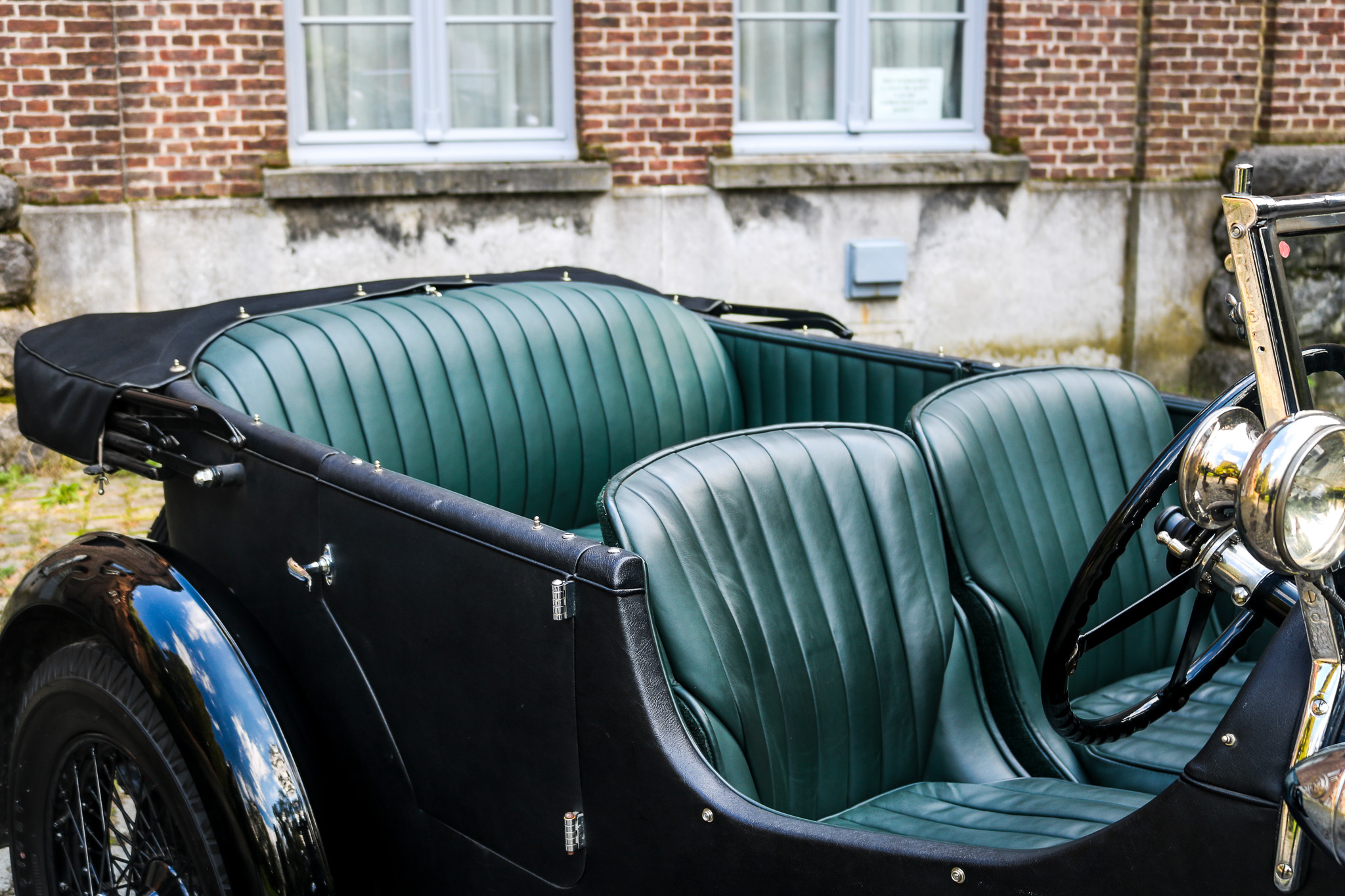
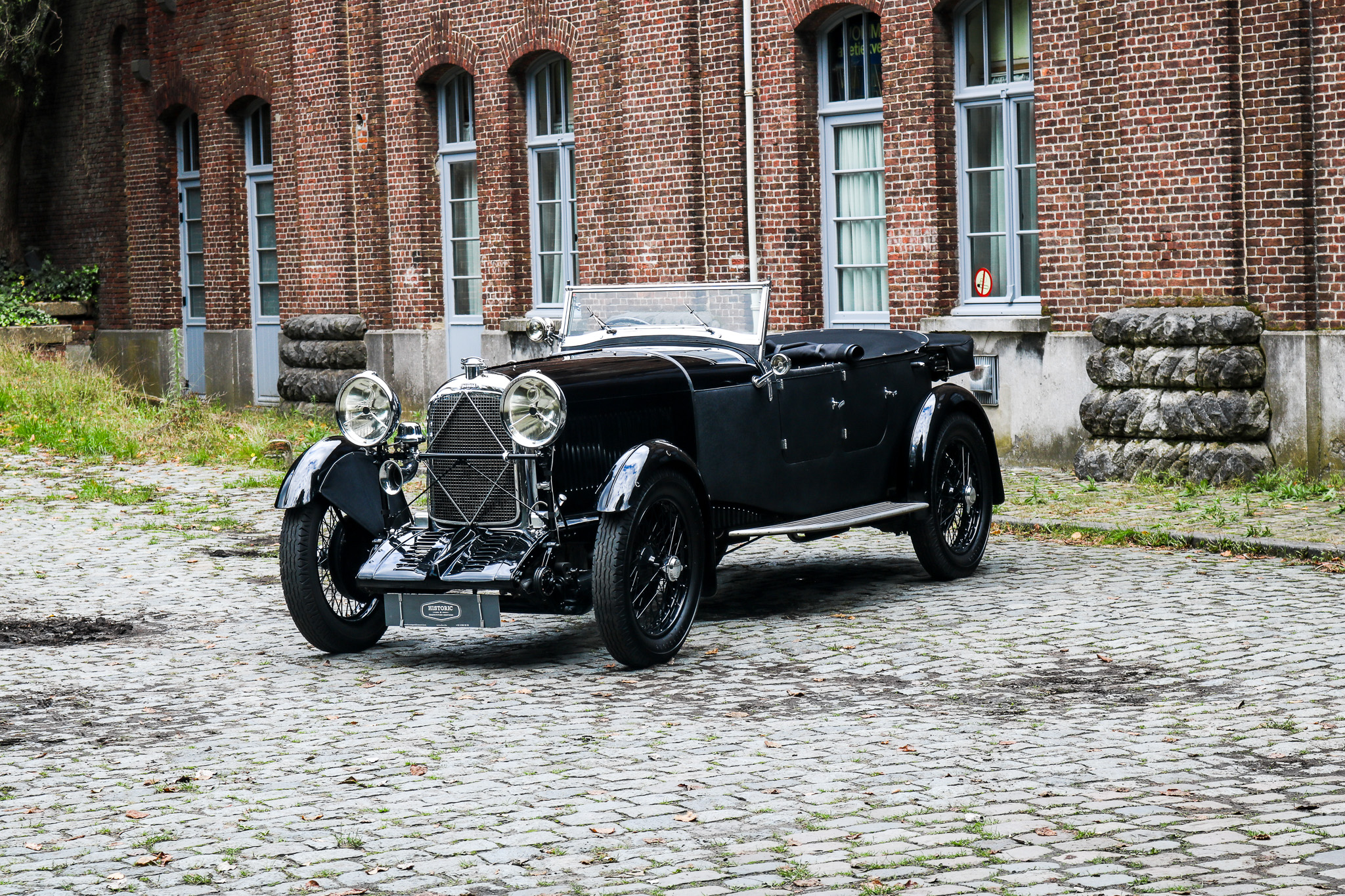
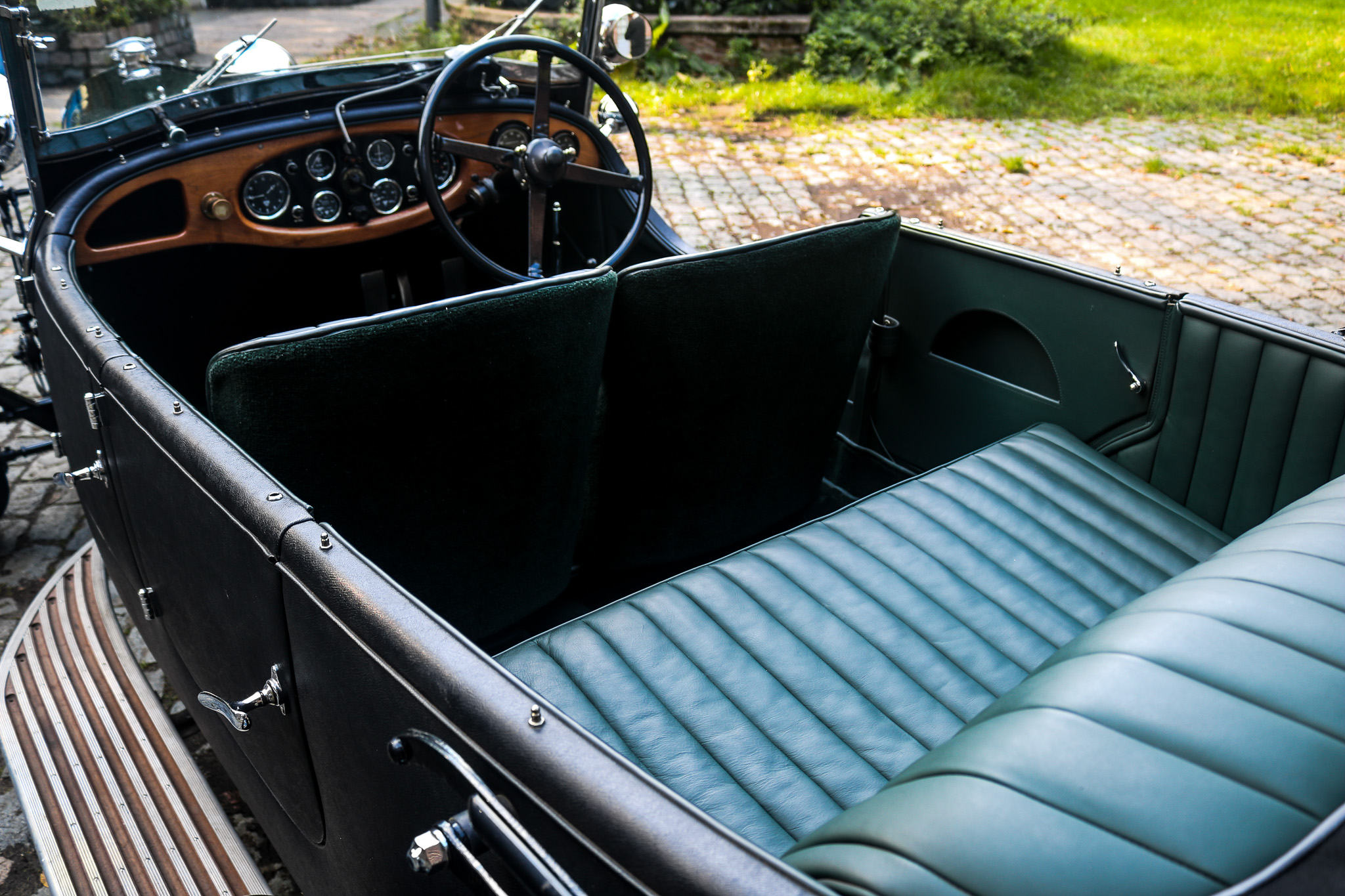
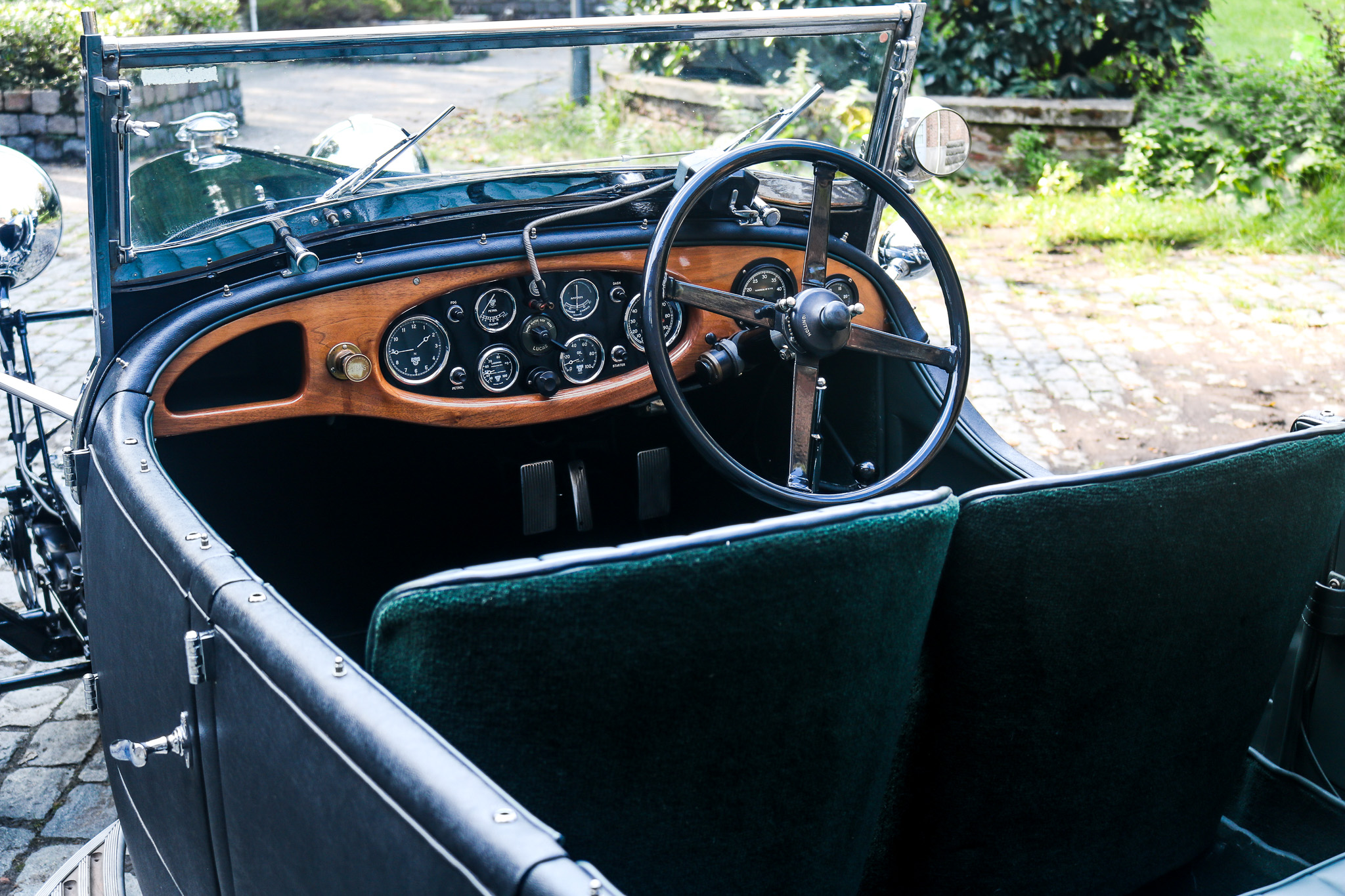
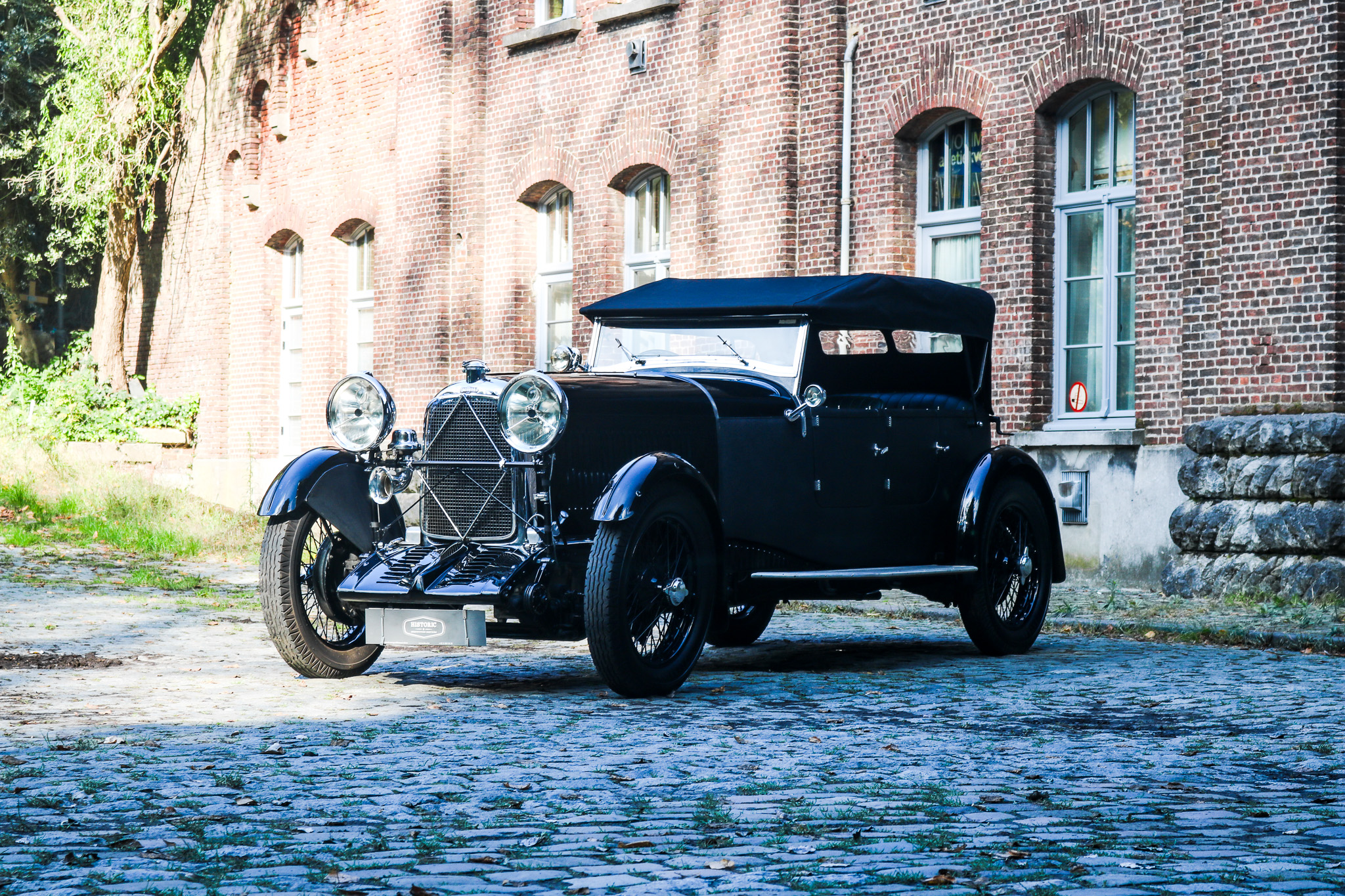
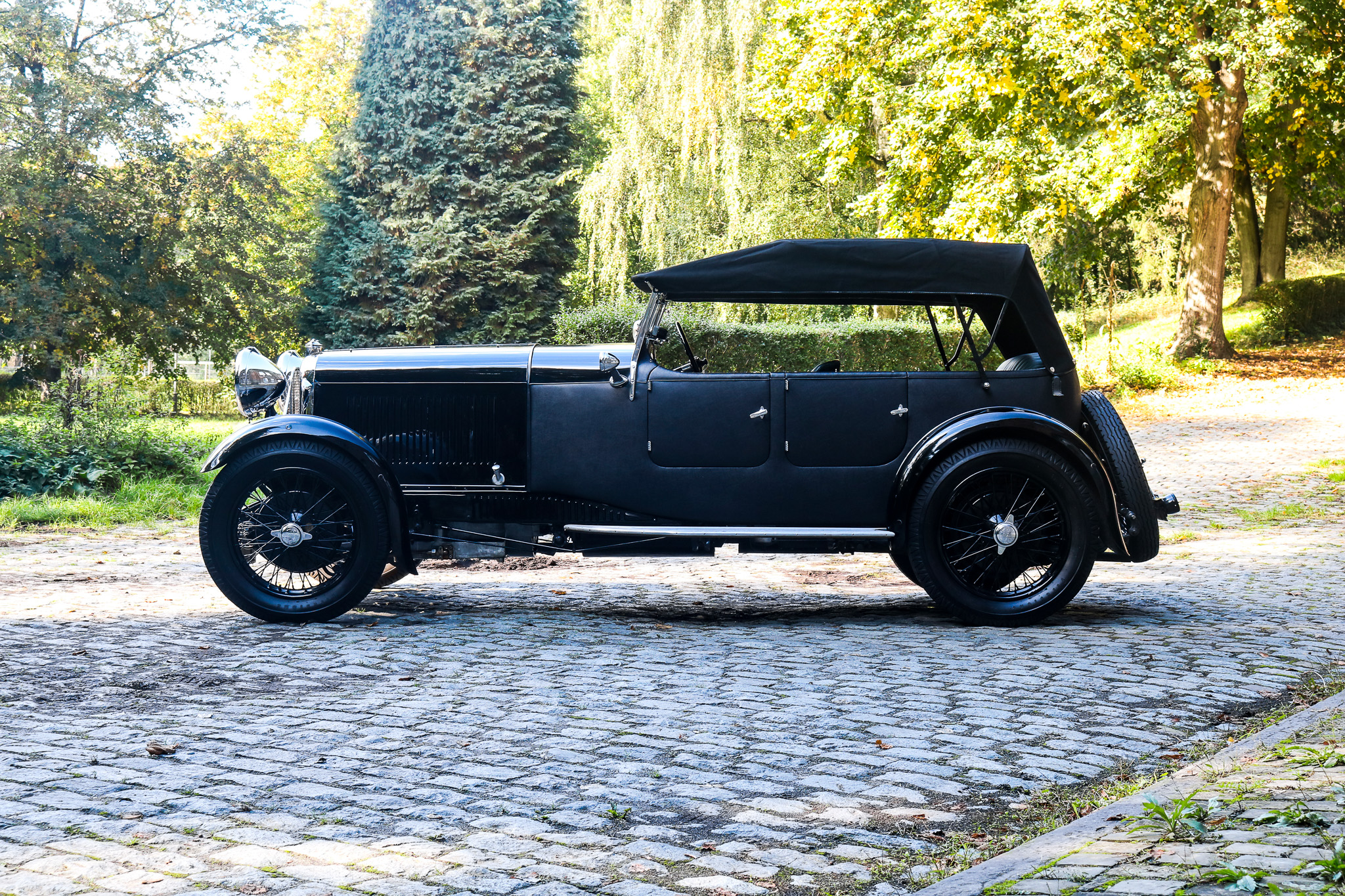
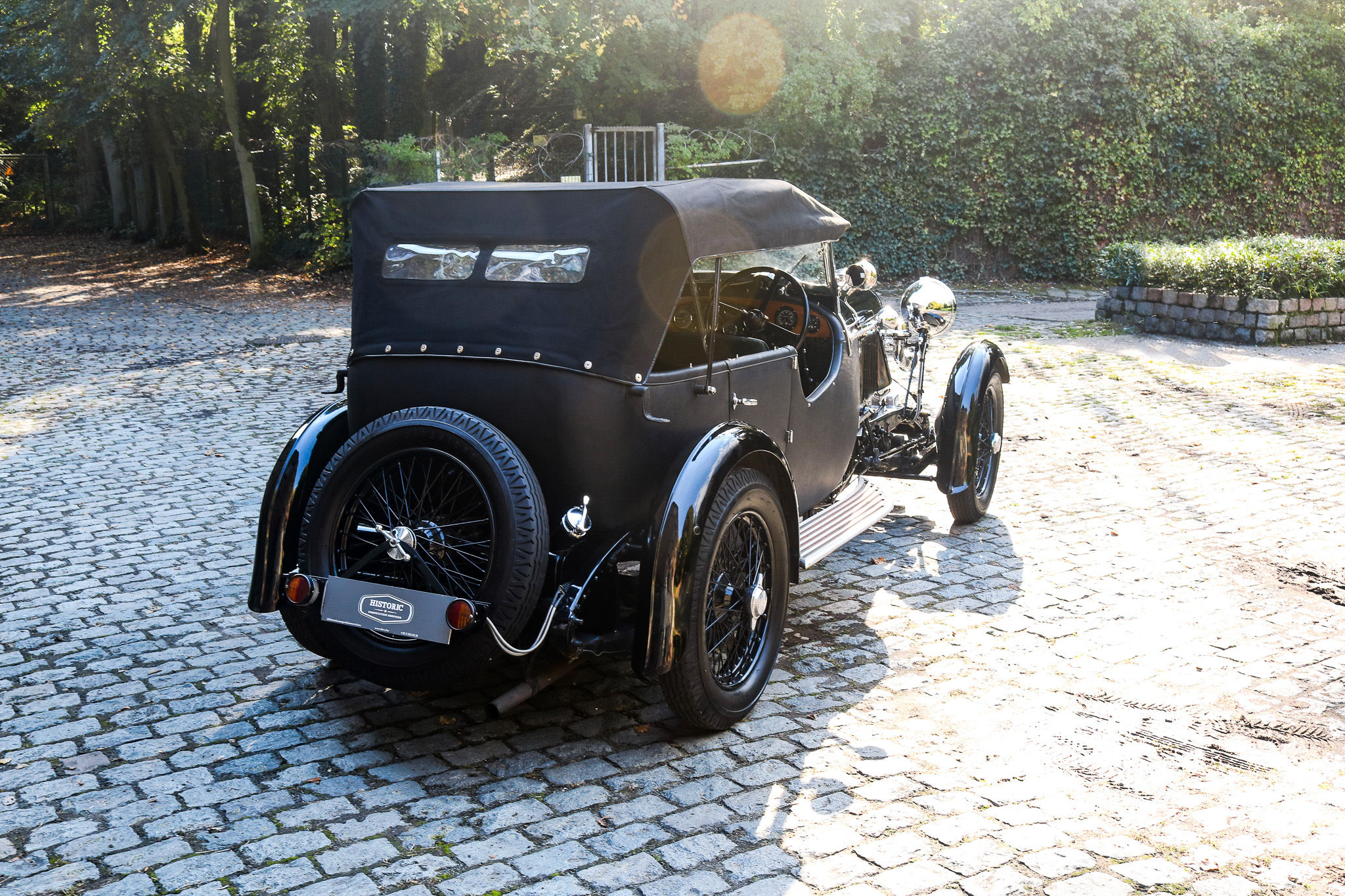
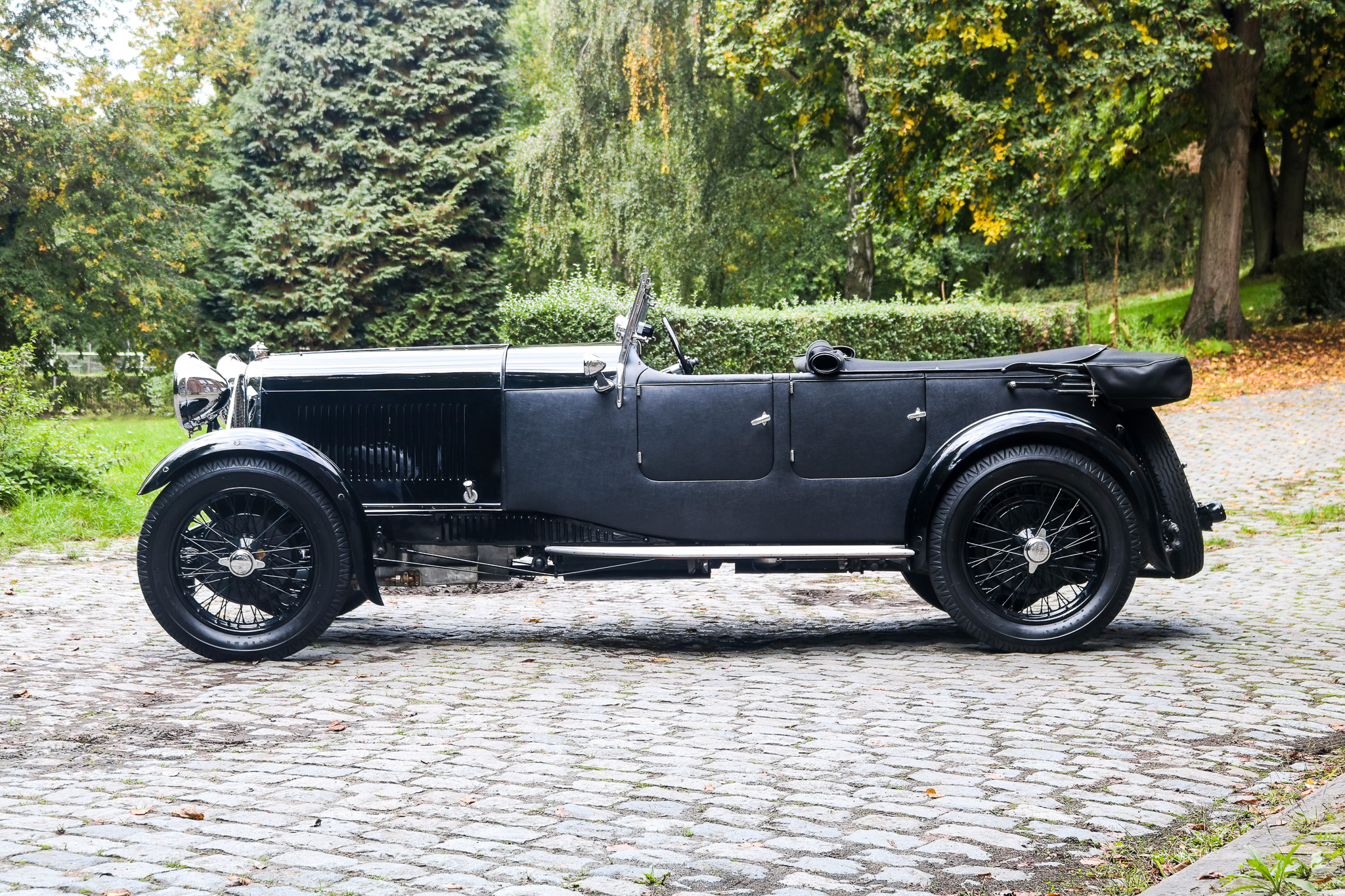
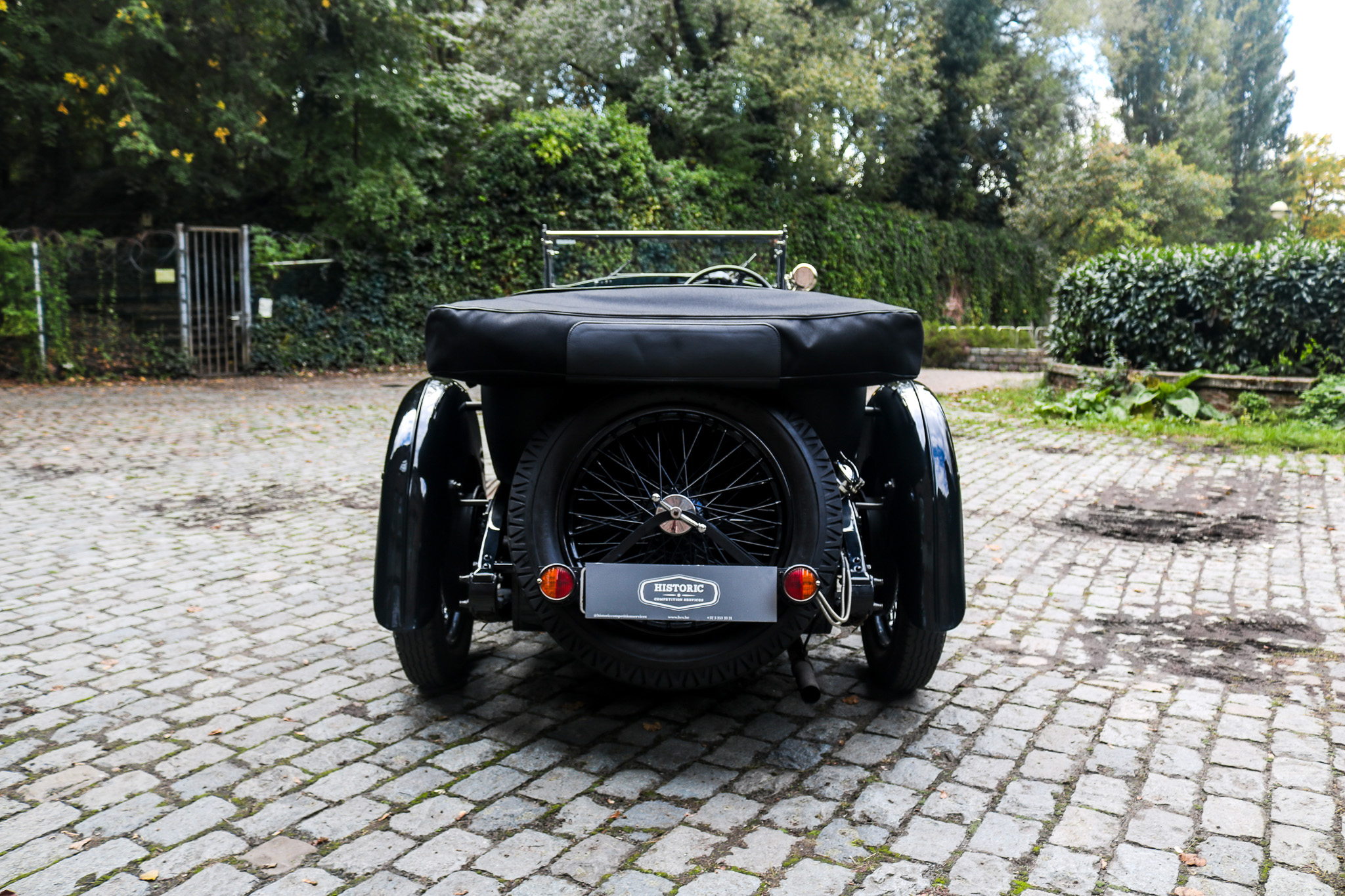
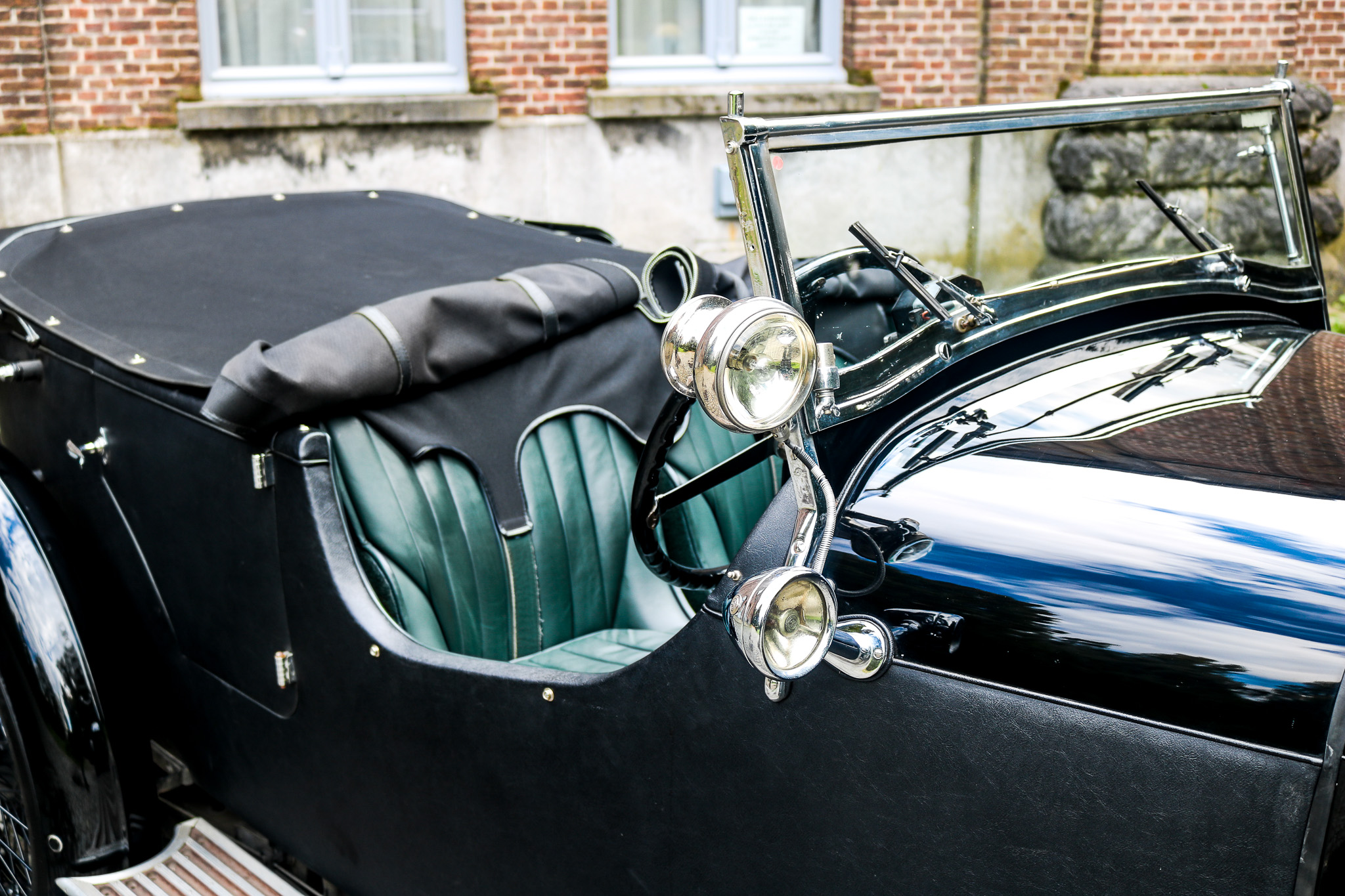
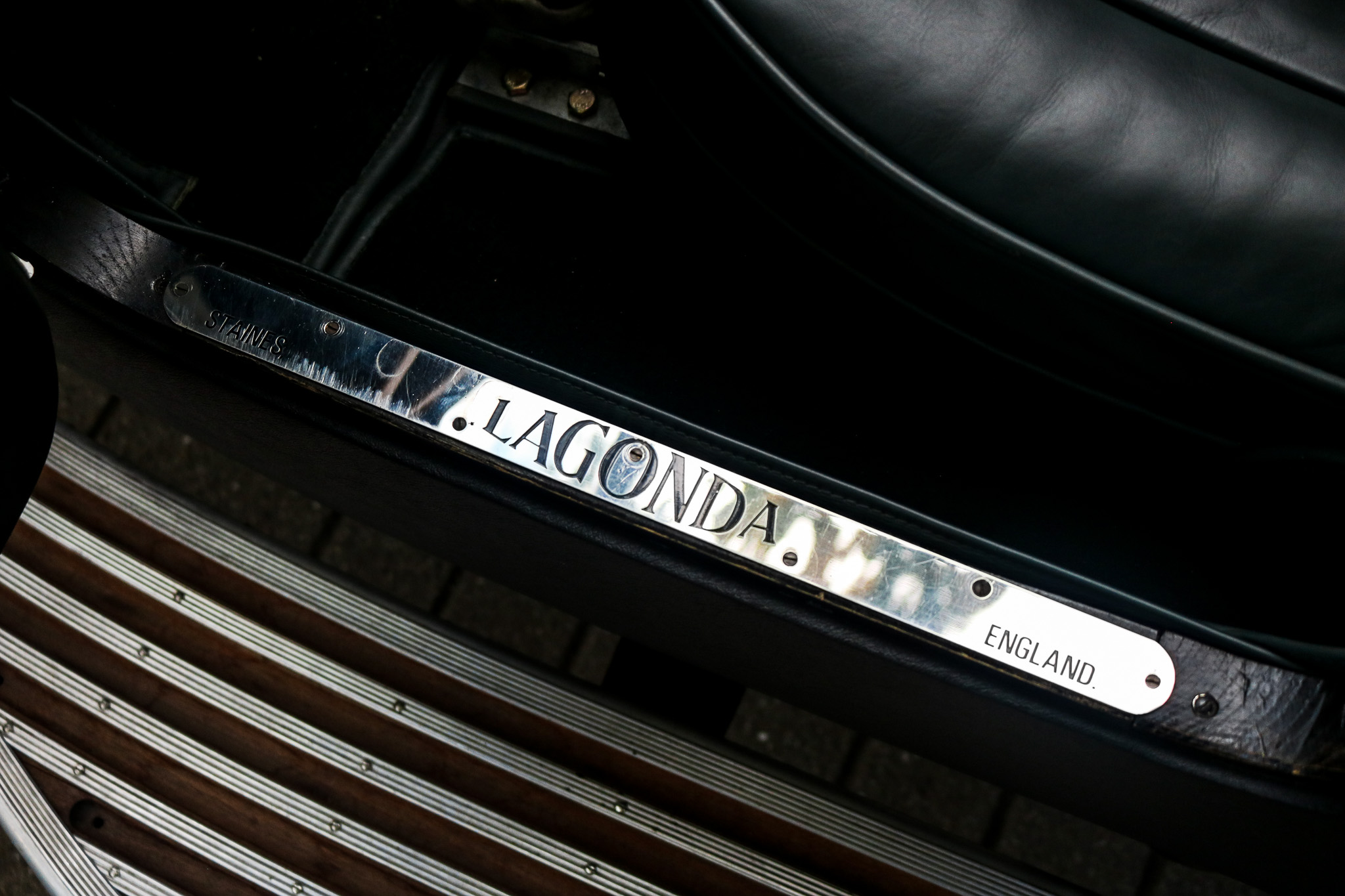
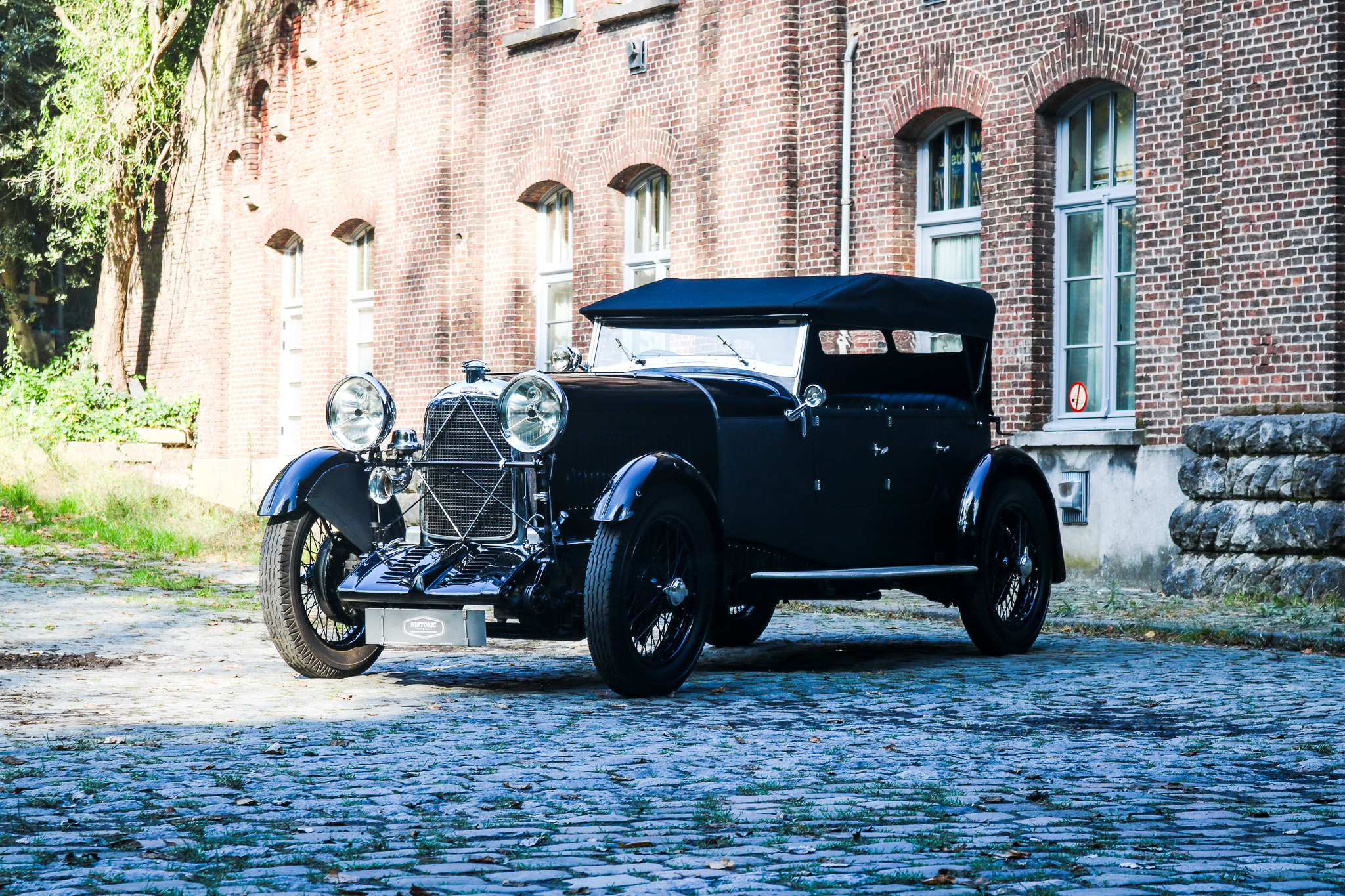
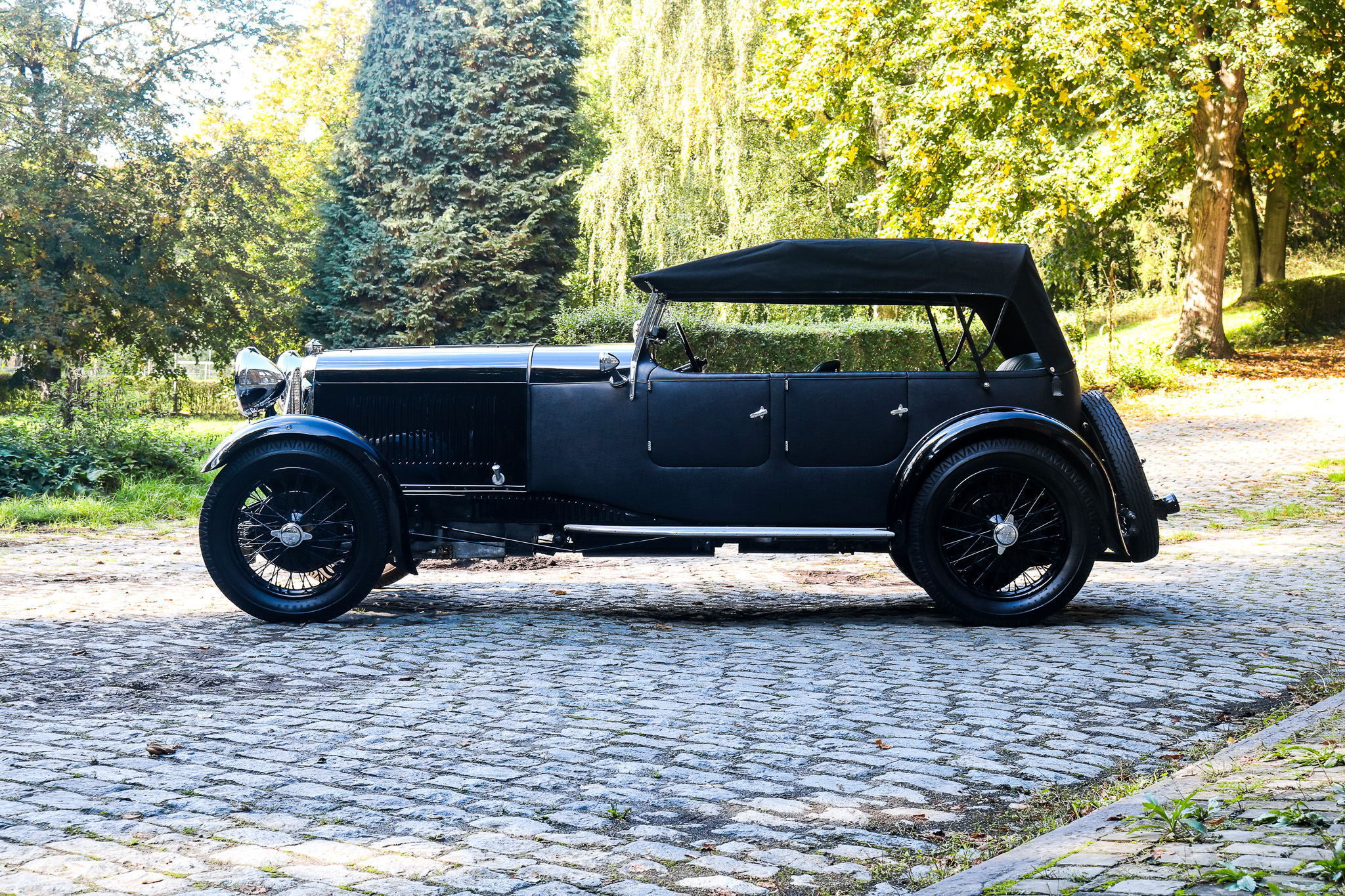
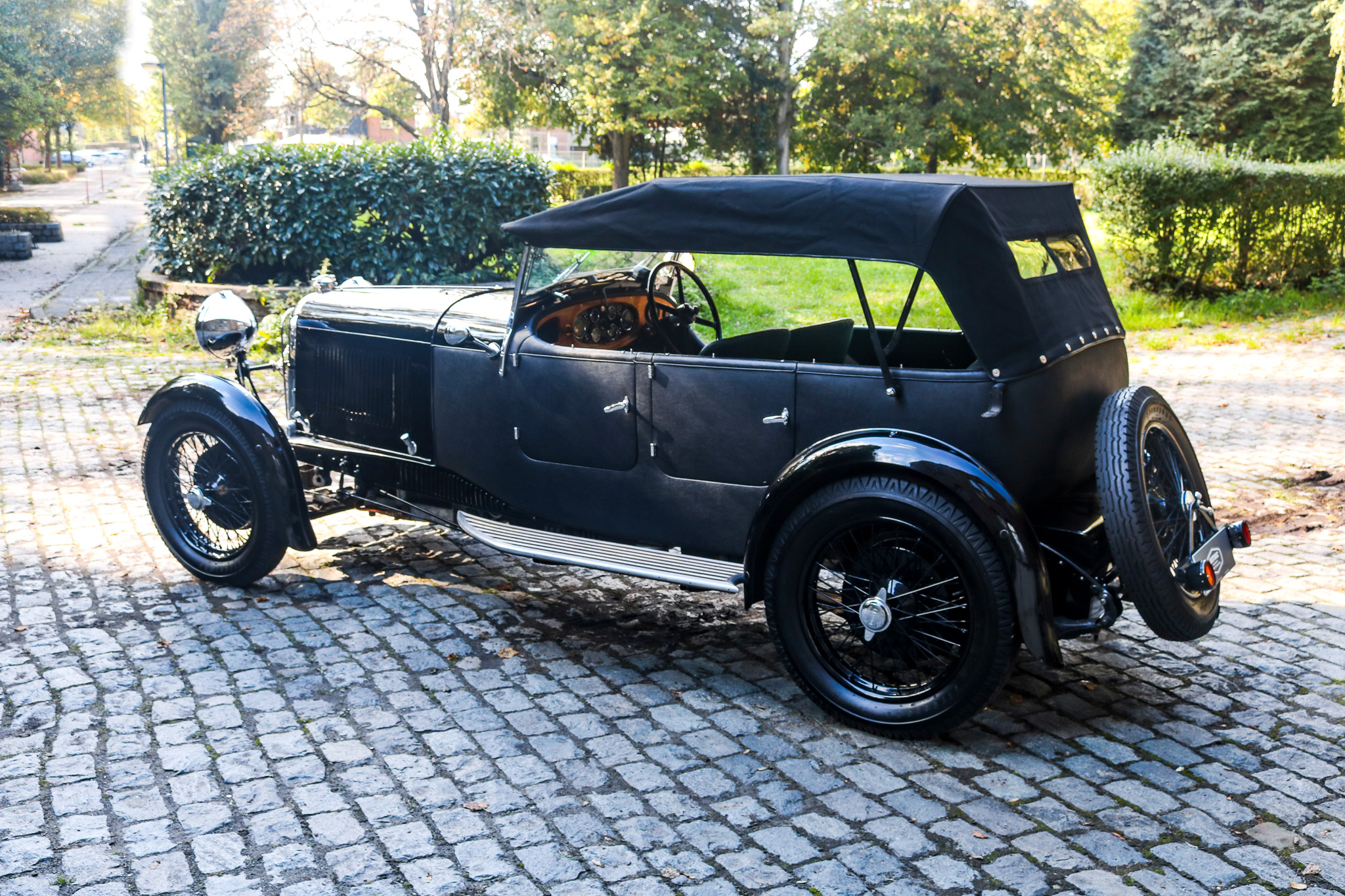
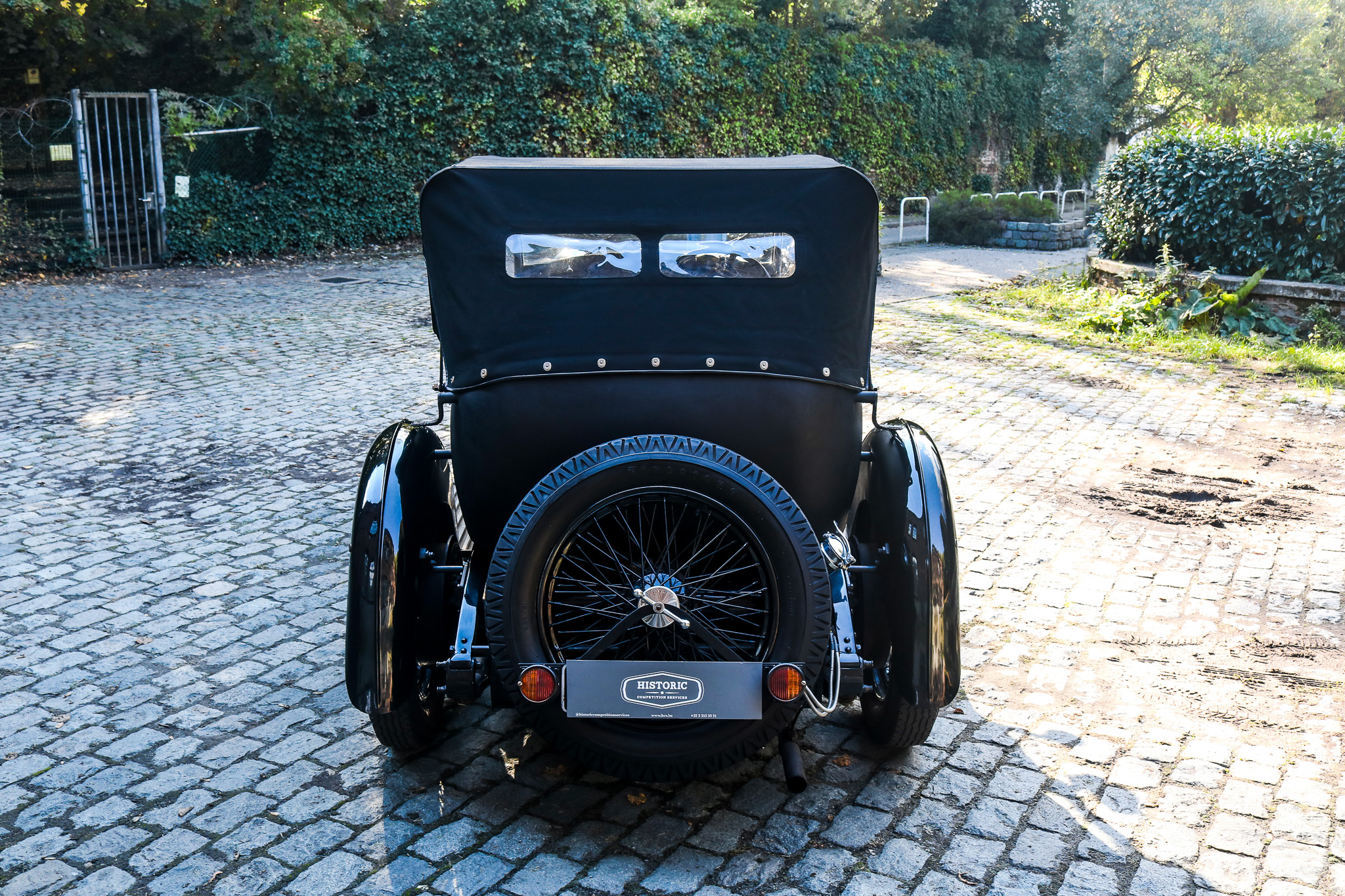
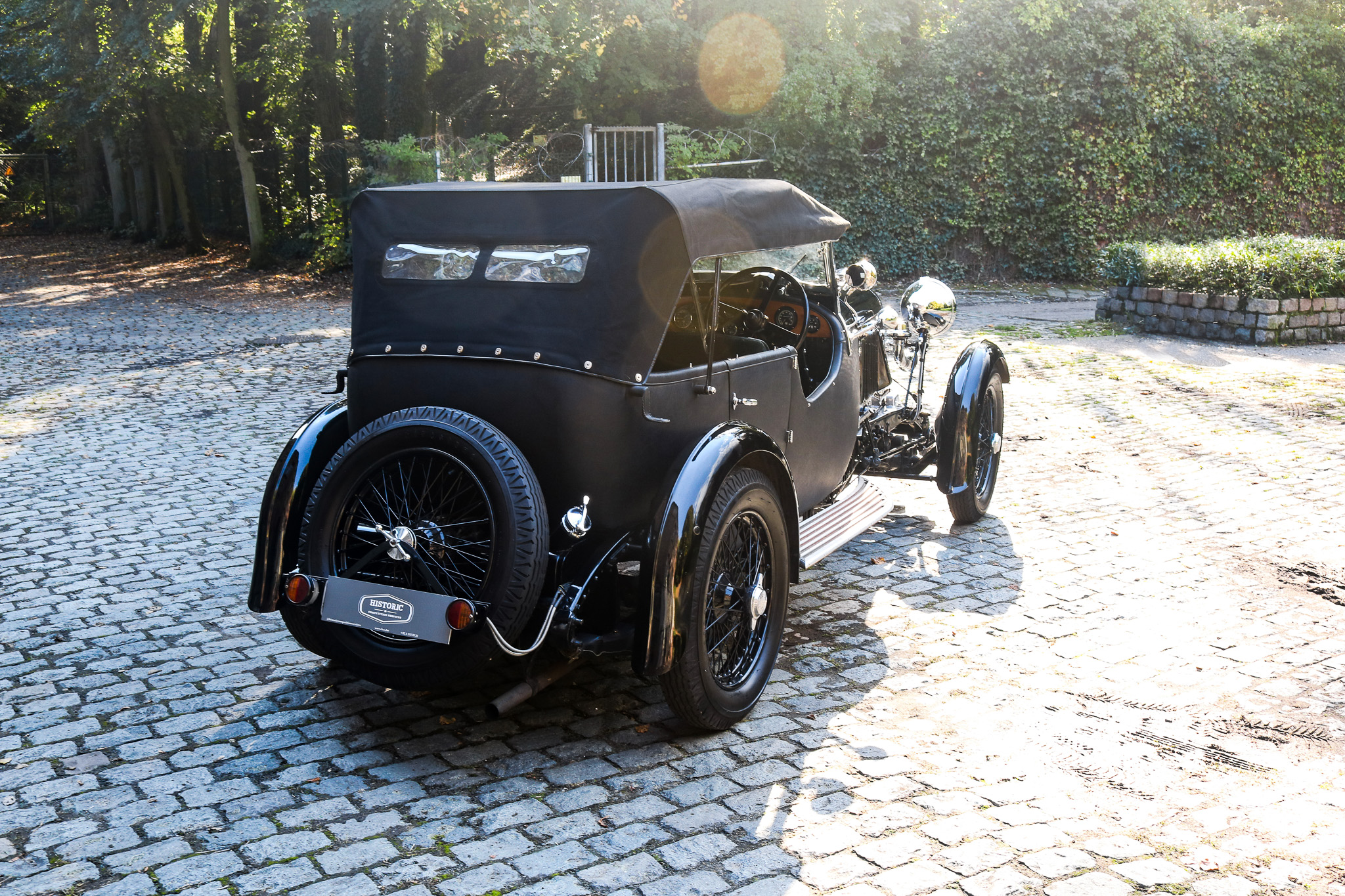
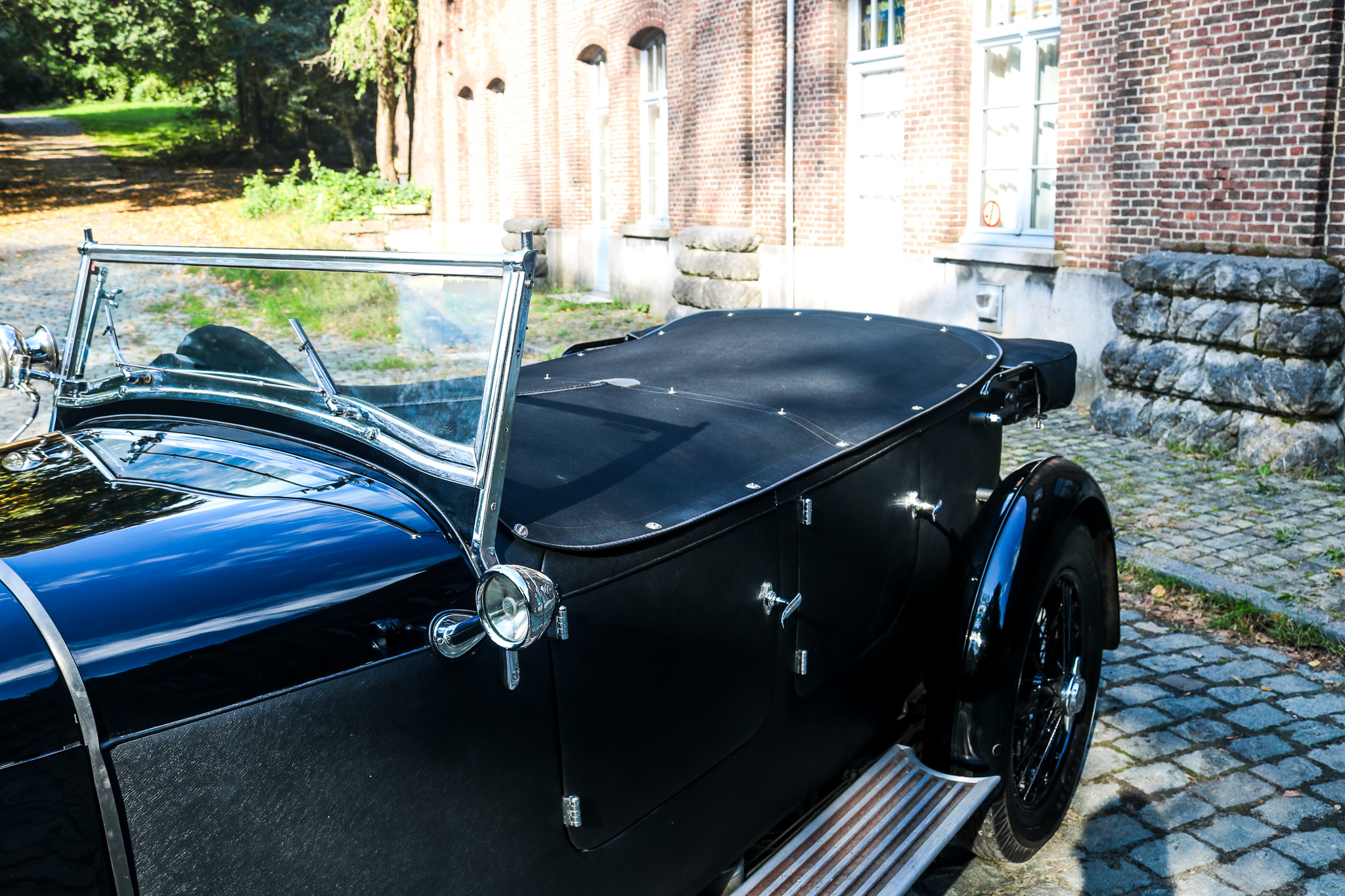
1930 Lagonda 2L Supercharged
prototype low chassis
€ 265.000
More information
+32 (0)3 353 33 31 info@hcservices.be
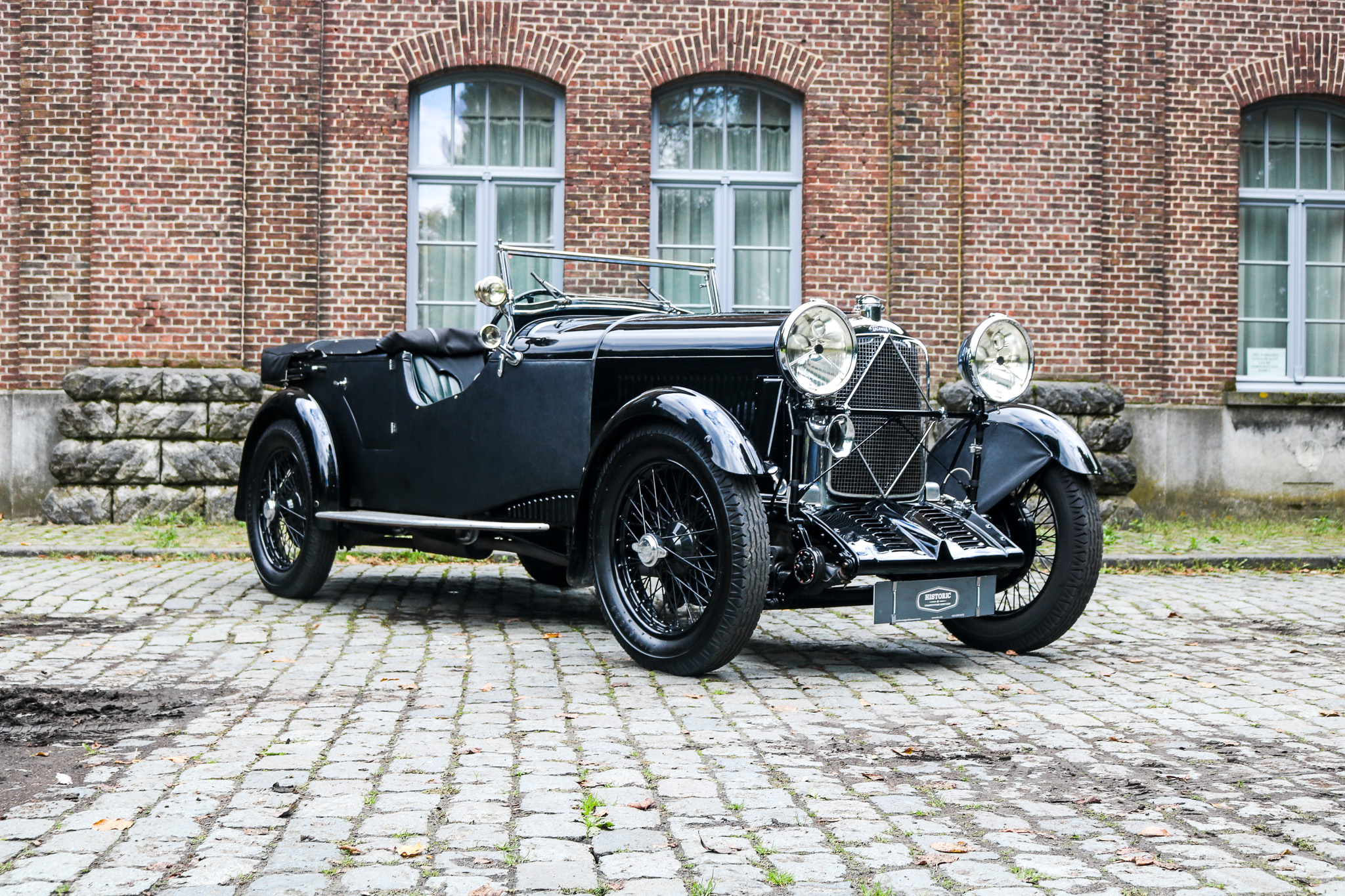
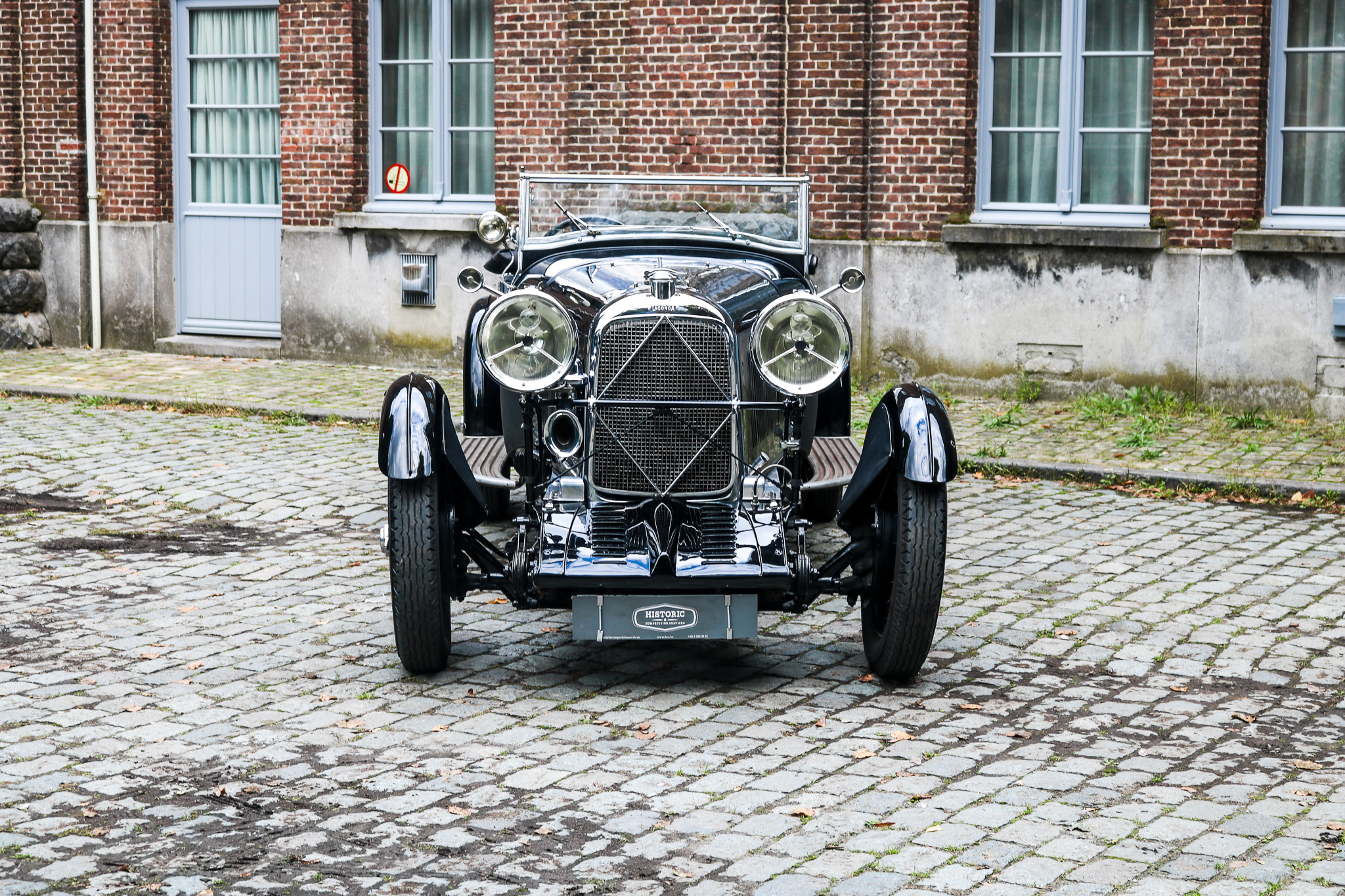
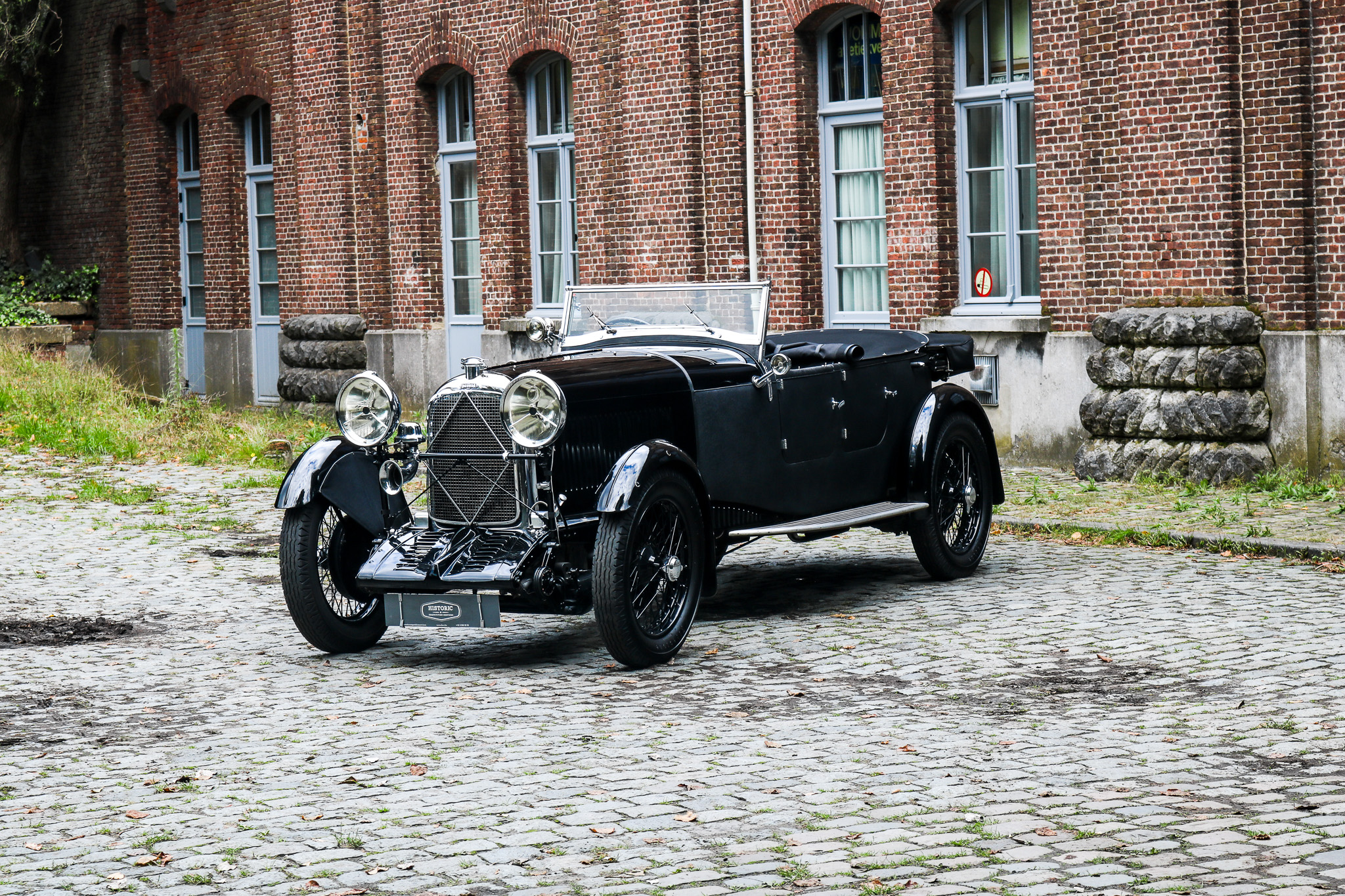
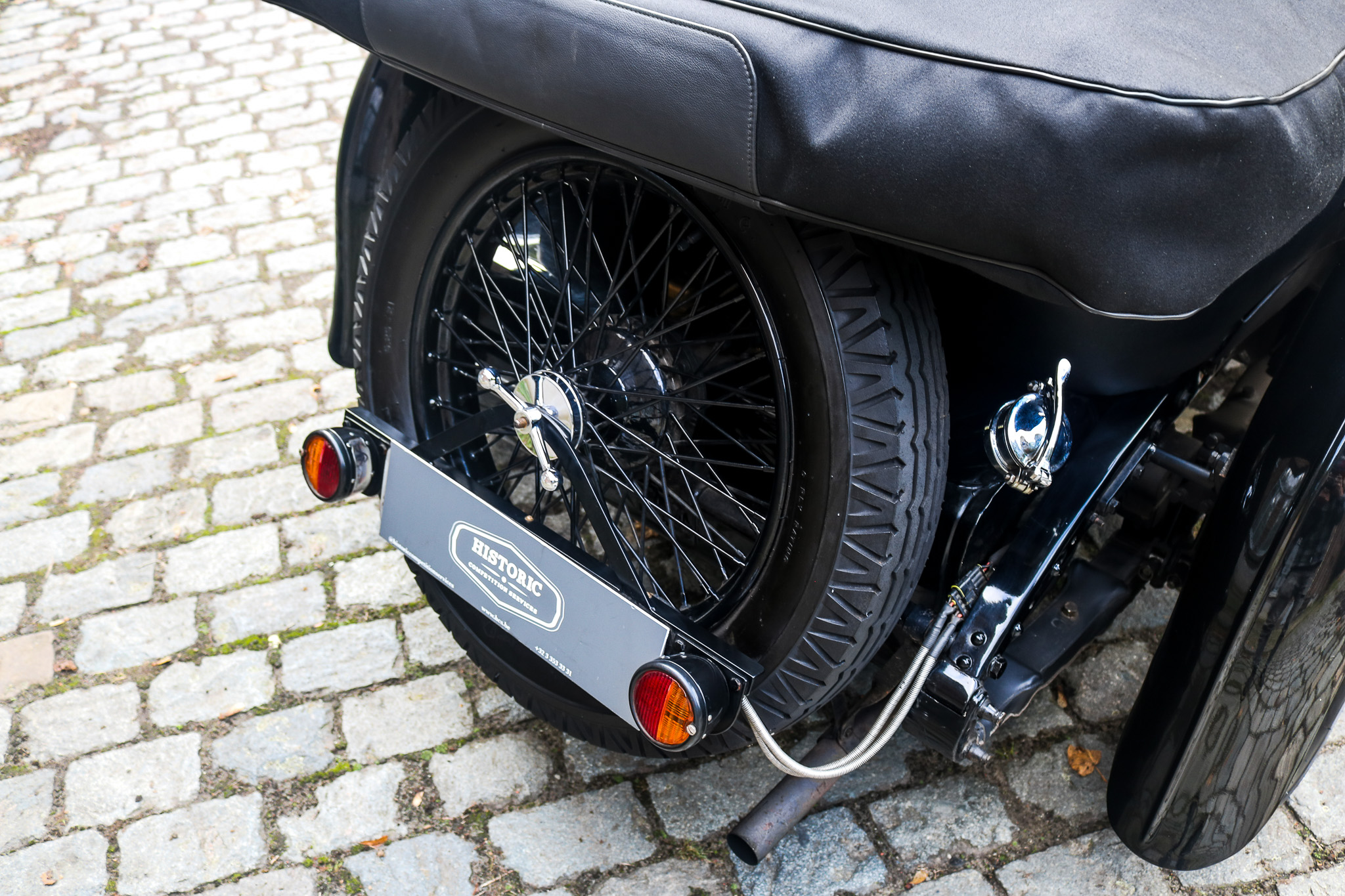
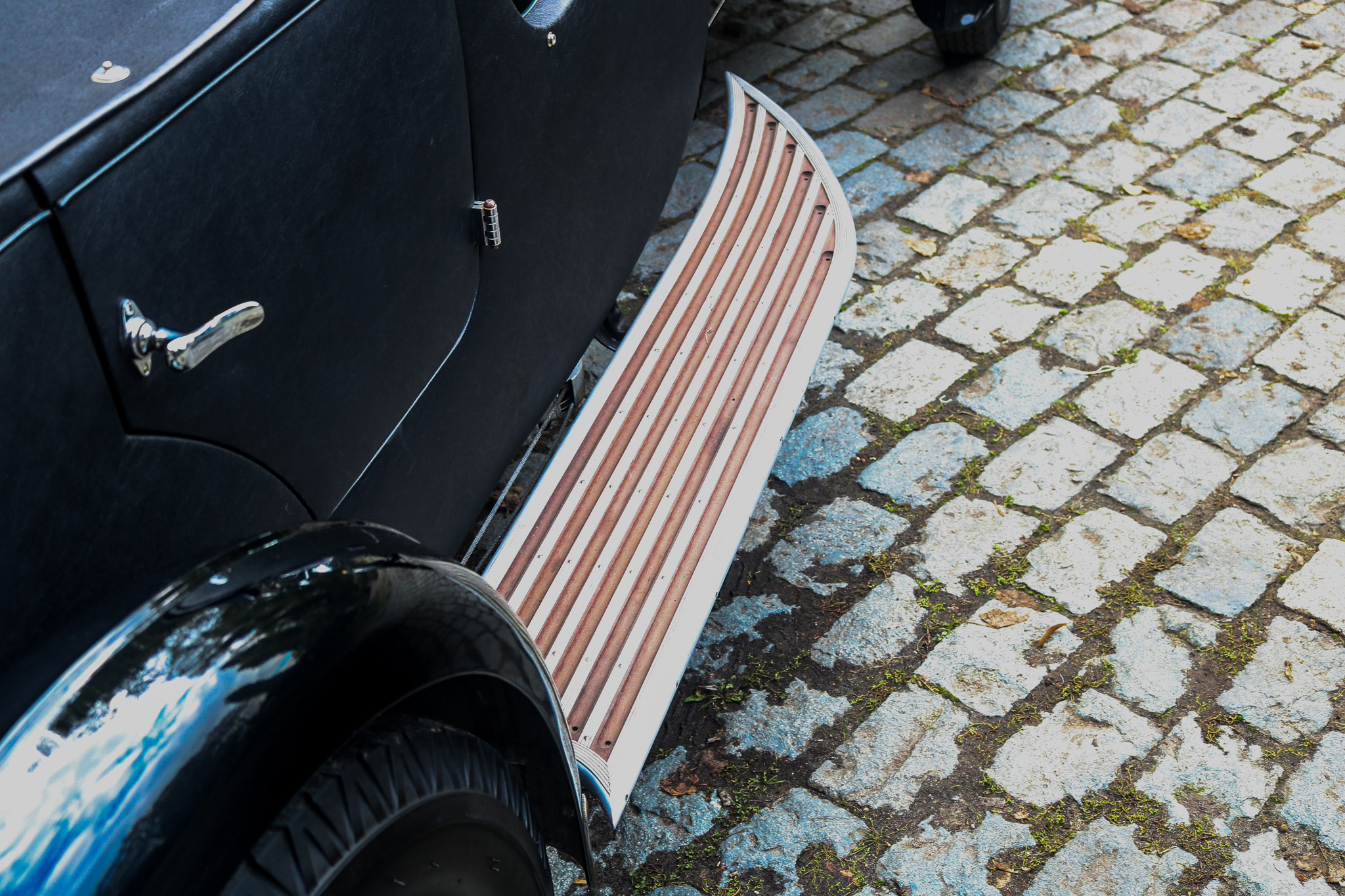
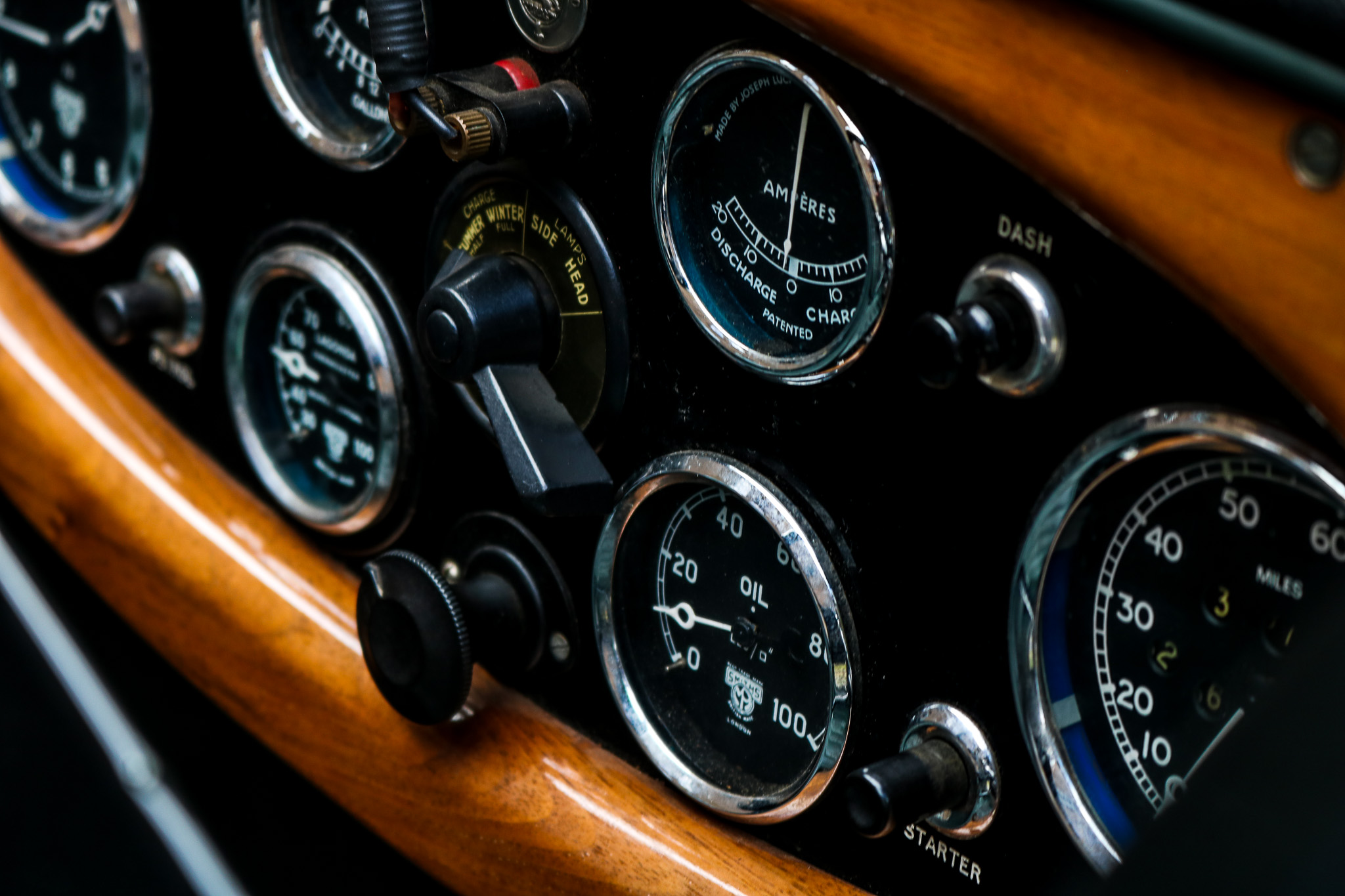
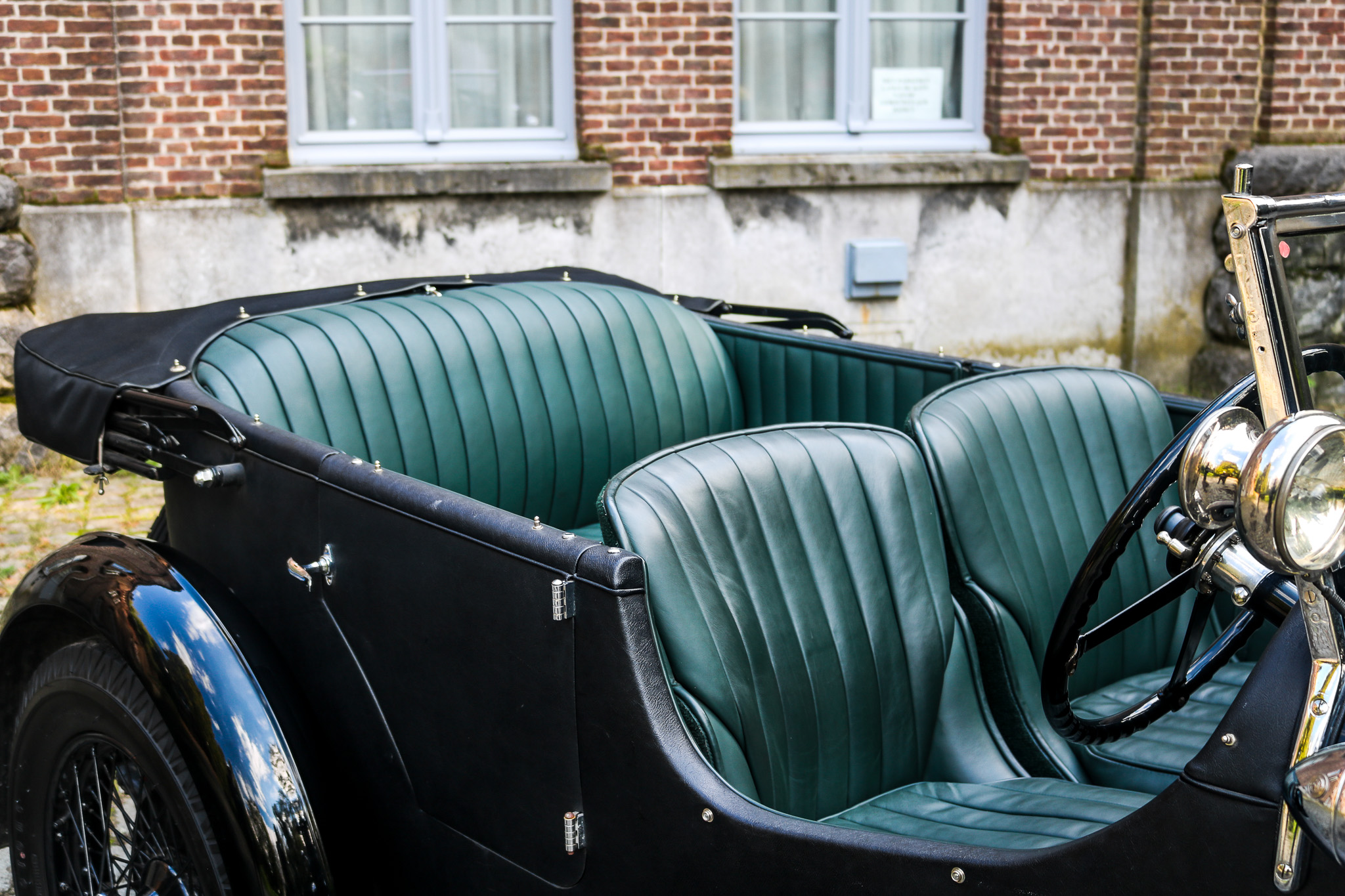
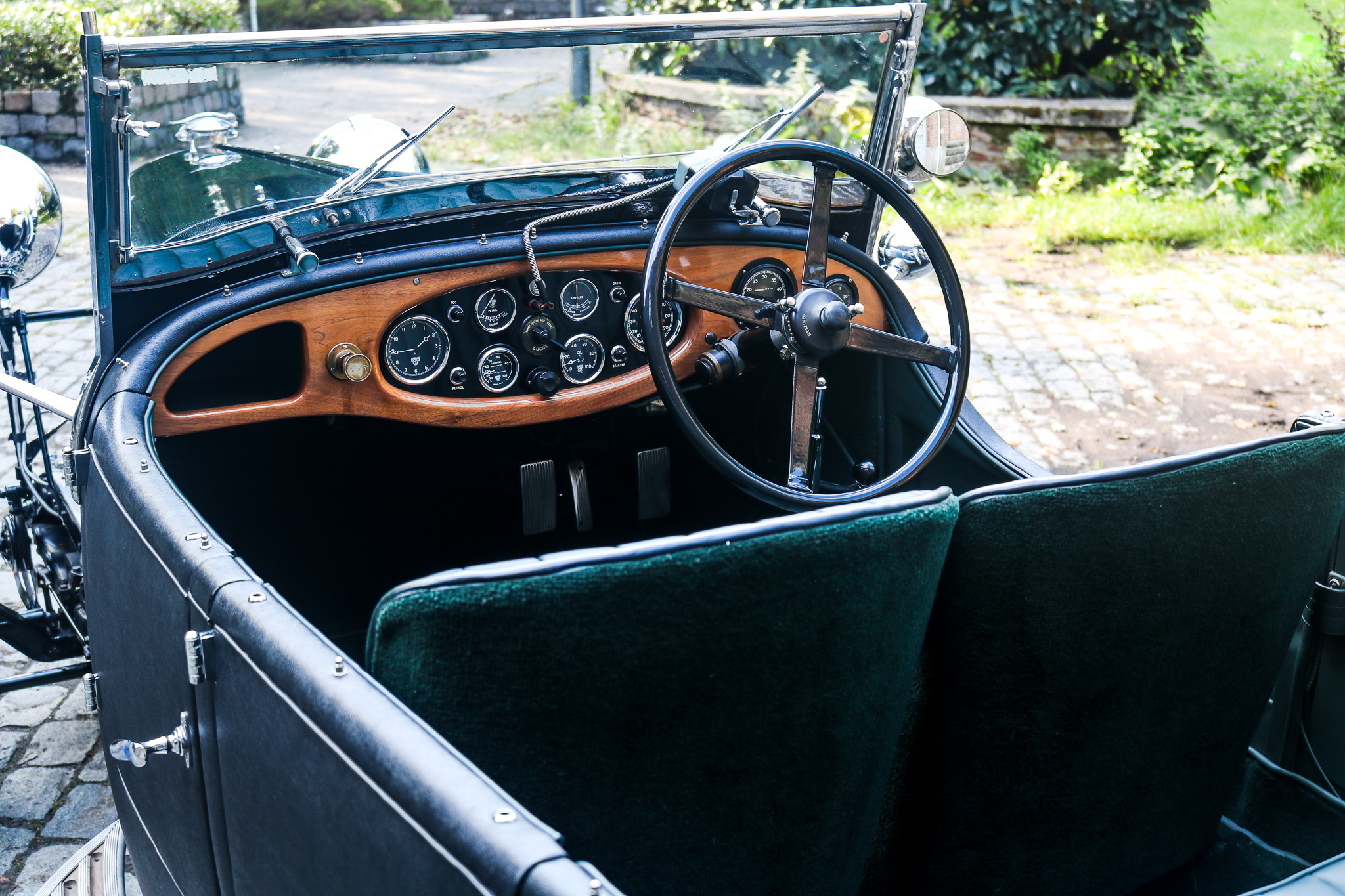
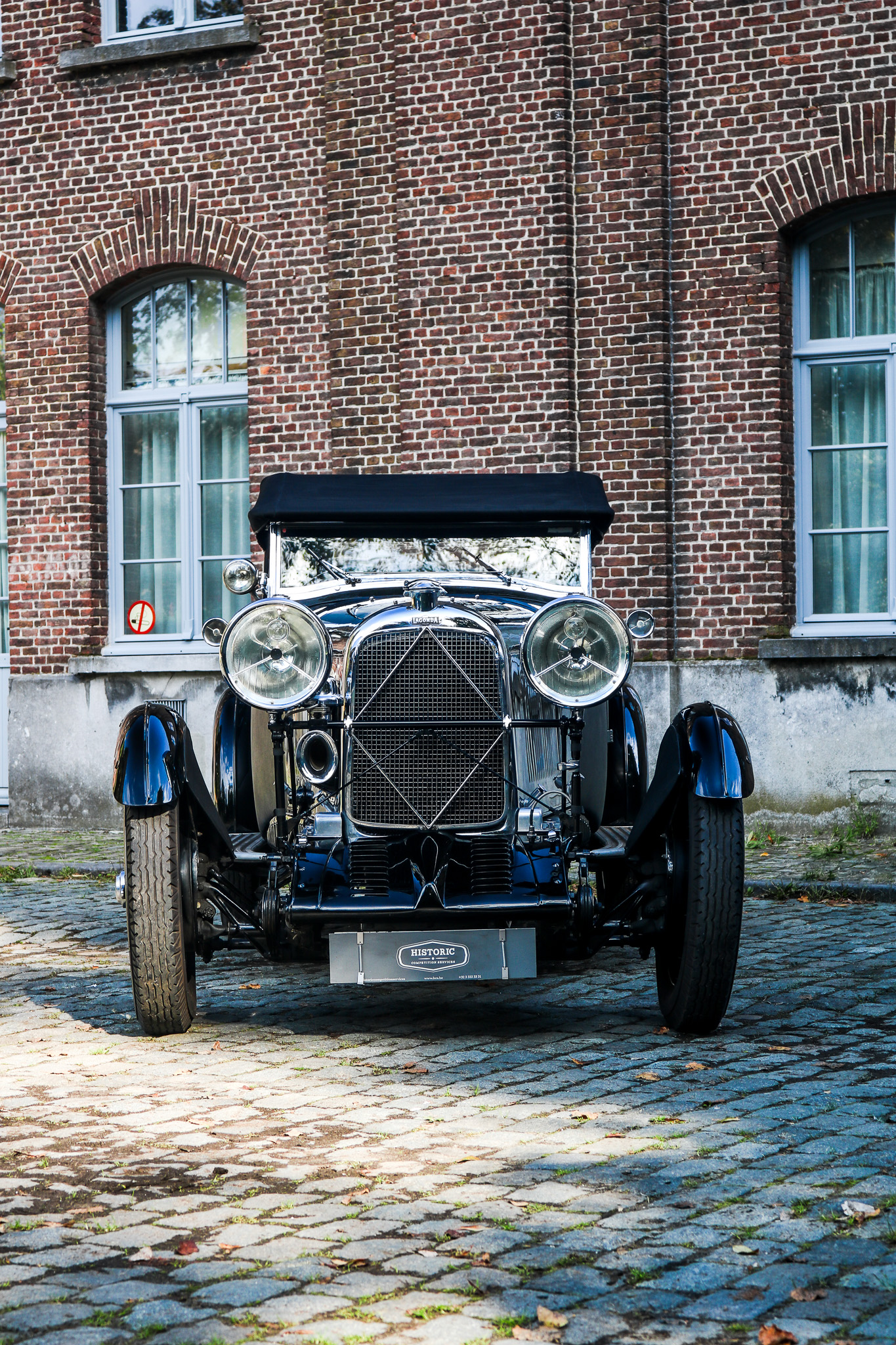
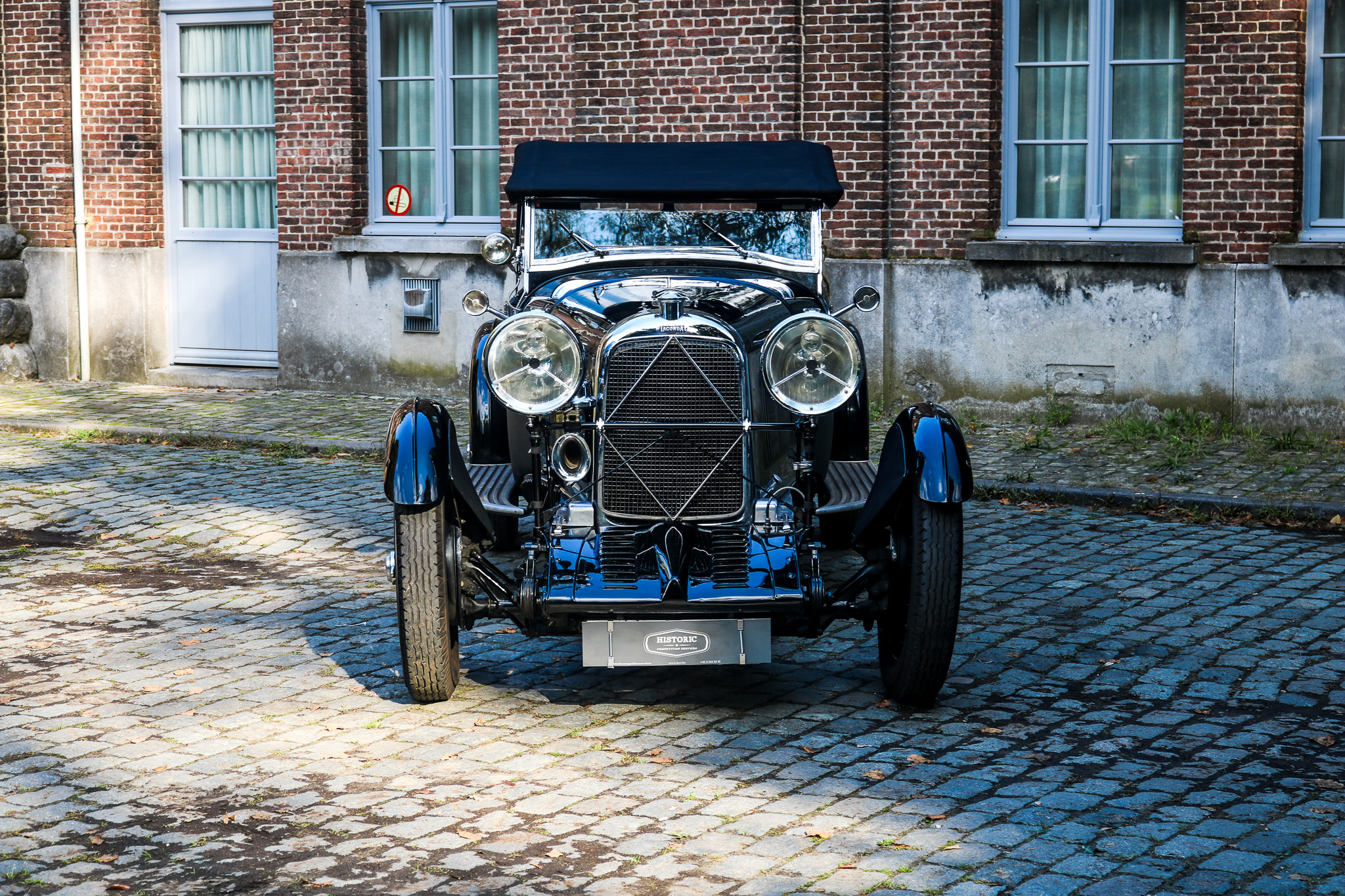
The very first Supercharged 2 Litre, considered the "WORKS prototype".
Highlights
Used in Lagonda's advertising and press testing!
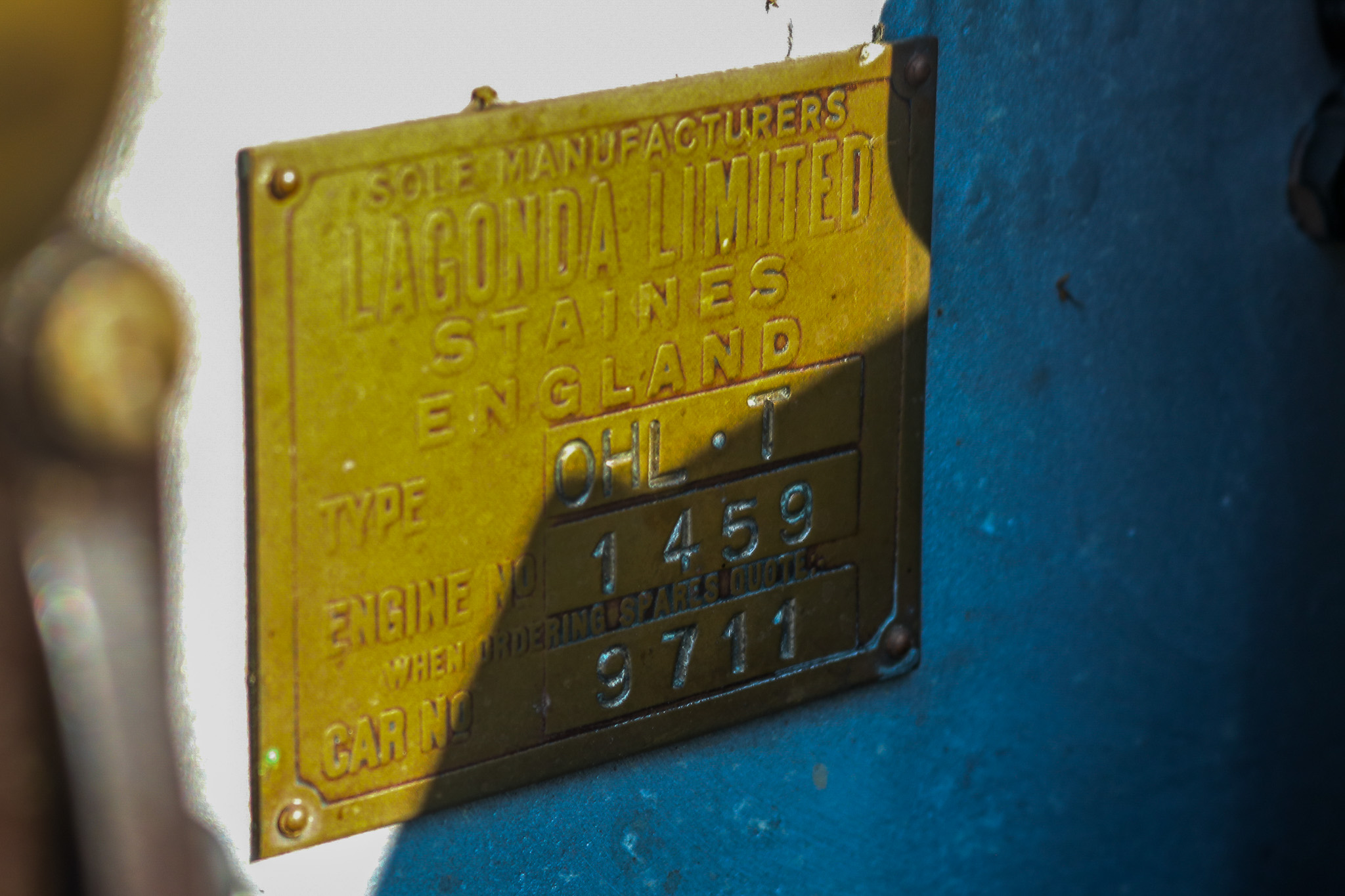
• Chassis number: 0H9711• Engine number: 1459 (2B981)• UK registration: PL1240
Race pedigree
Having established its reputation by winning the Moscow - St Petersburg Reliability Trial of 1910 with a 30hp six, Lagonda concentrated mainly on the production of light cars before reverting to sporting and luxury models in the mid 1920's (with the introduction of the 14/60). The latter abandoned the firm's traditional in unit gearbox in favor of a midships mounted transmission but of greater technical interest was the engine.
The 2 Litre "Four"
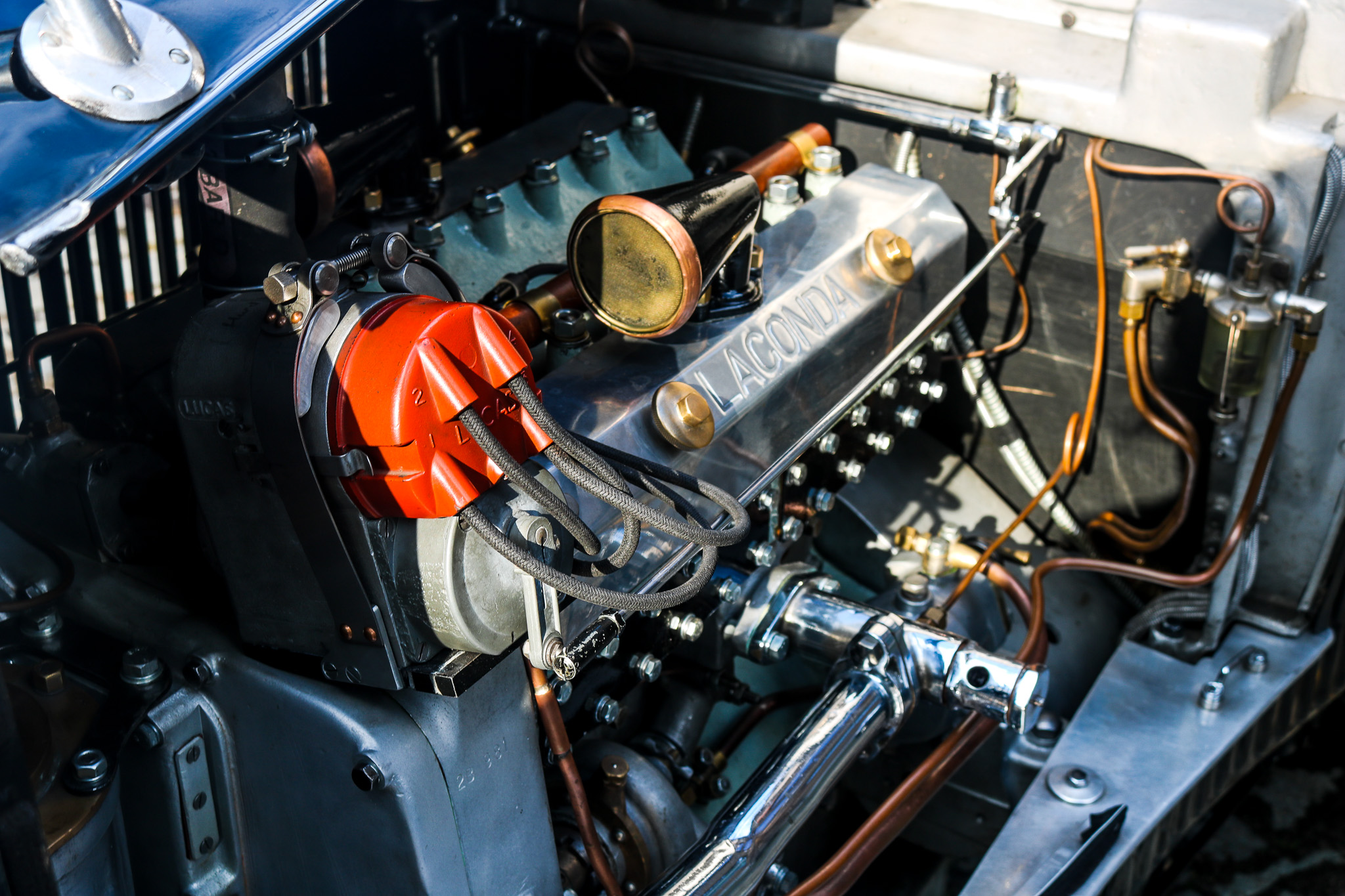
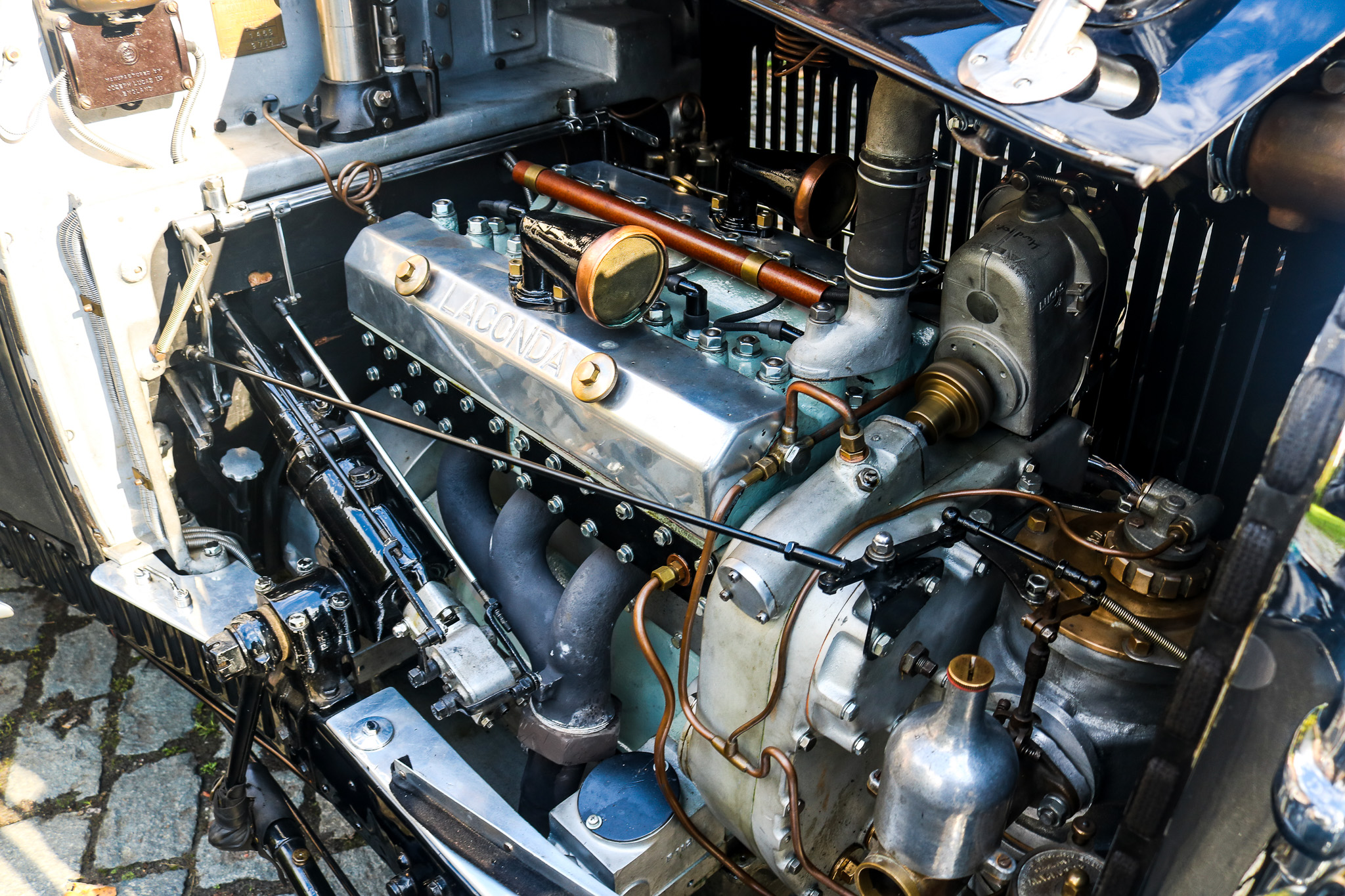
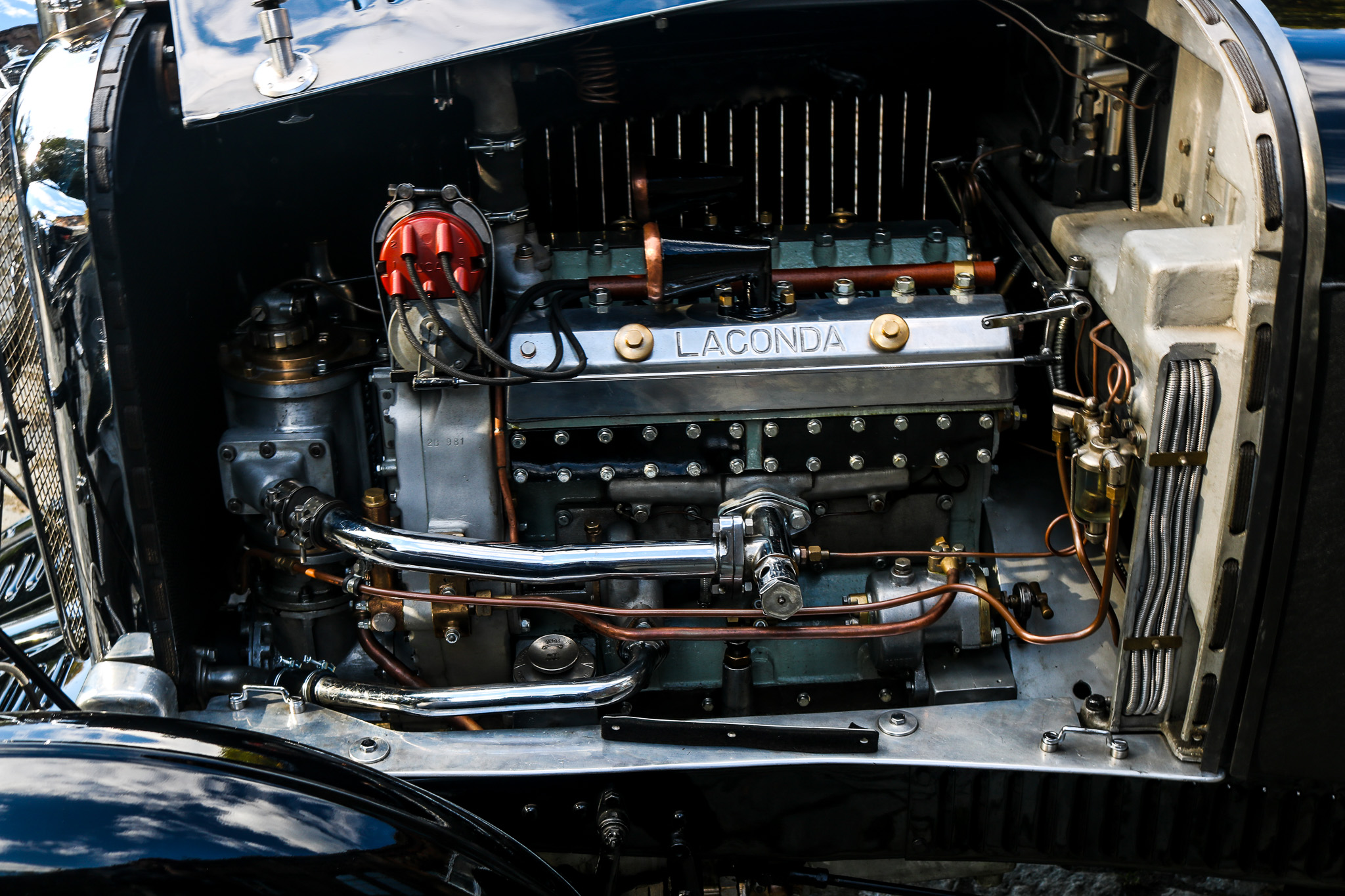
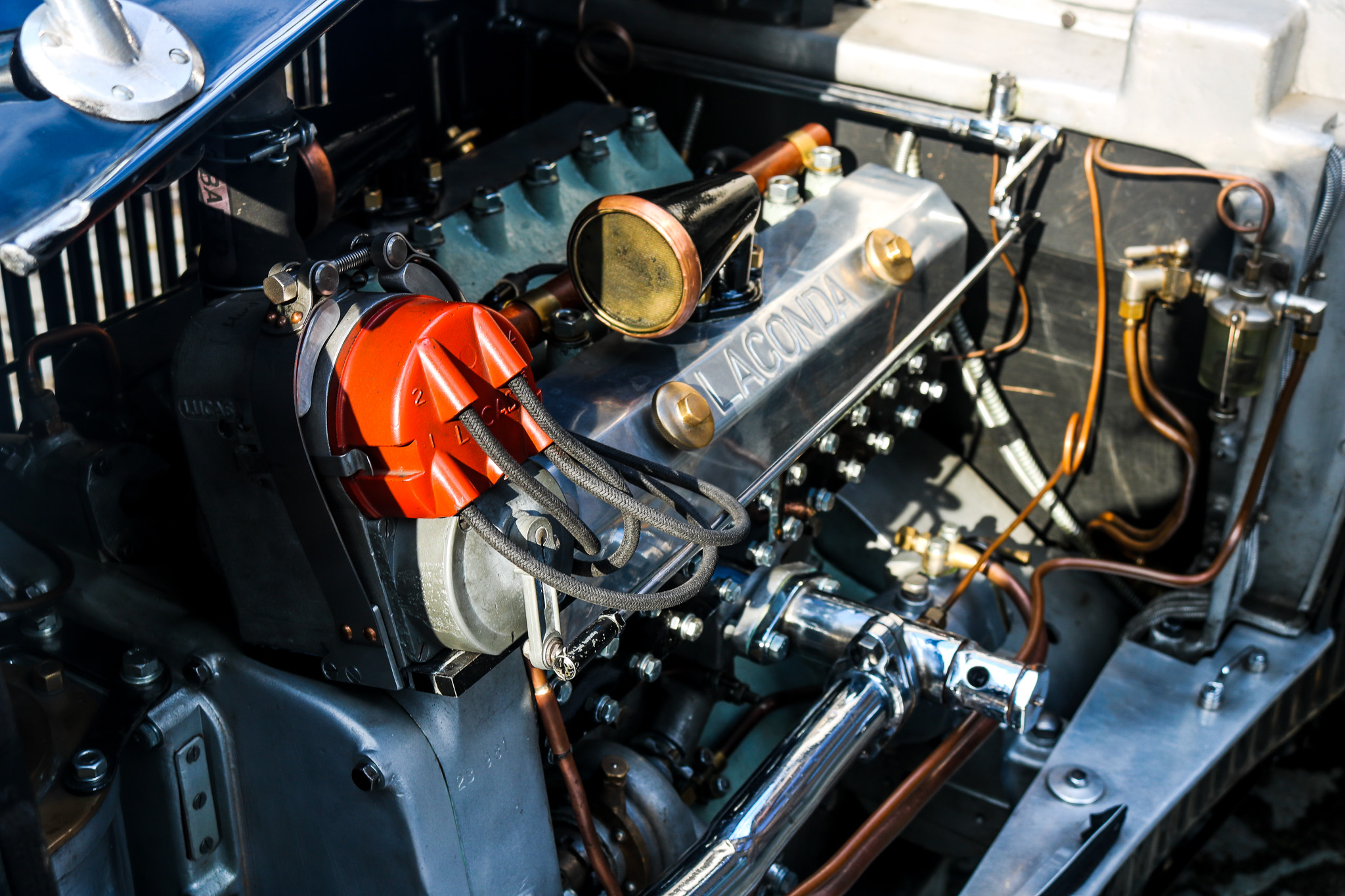
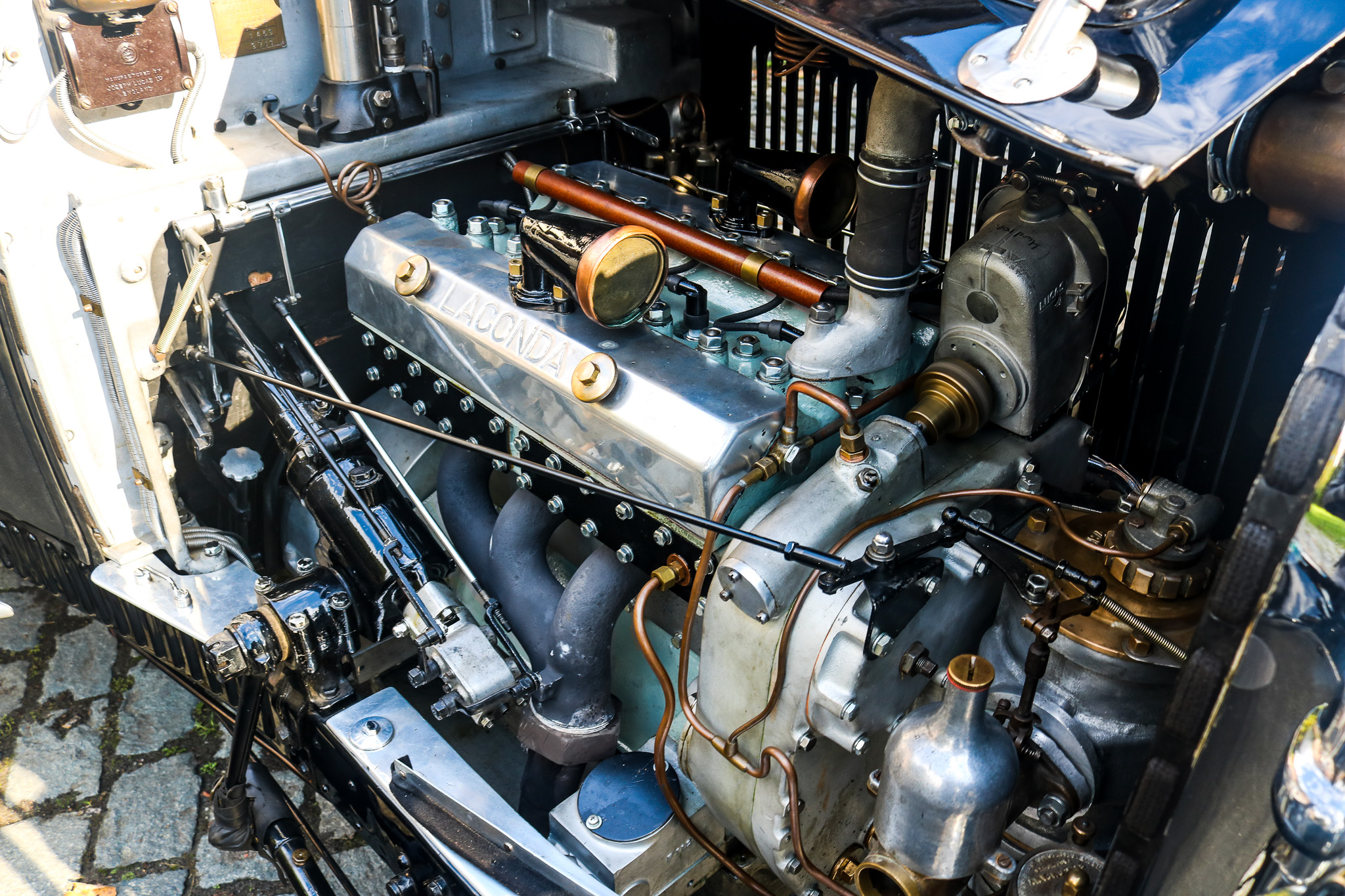
Designed by Arthur Davidson, the 2 litre 'four' featured twin camshafts mounted high in the block, operating inclined valves in hemispherical combustion chambers. Power output of this advanced design was a highly respectable 60 bhp.The Speed model is born.
For the 1929 season, a 'low chassis' Speed model was introduced, featuring revisions to the frame's front end and a higher compression engine fitted with twin carburetors. The Speed model had resulted from the factory's Le Mans effort of 1928, when the 2 Litre driven by Andre D'Erlanger and Douglas Hawkes had finished 11th overall in the 24 hour endurance classic.

Enhanced by the supercharger
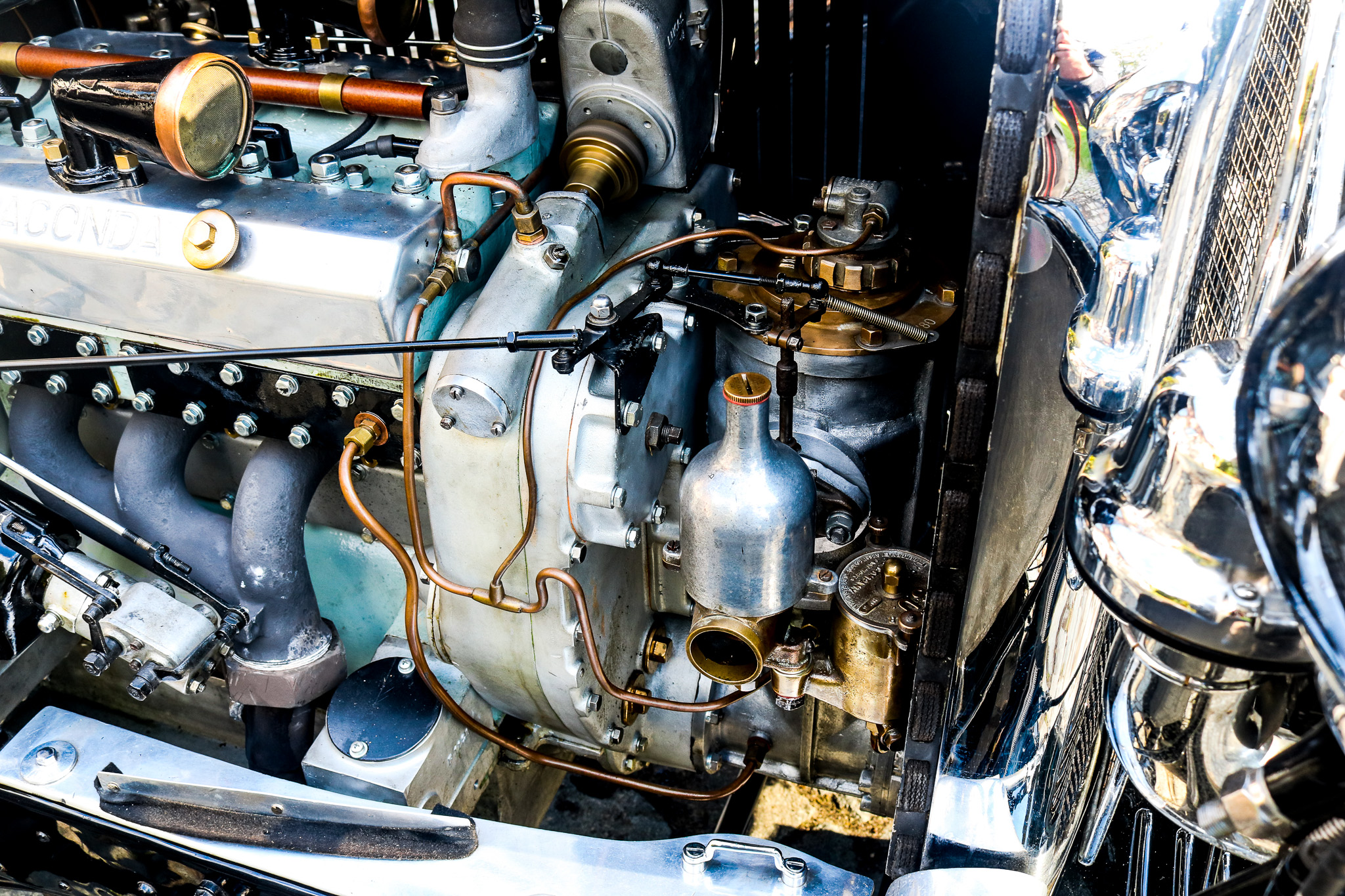
A classic example of racing improving the breed, the 'low chassis' 2 litre possessed markedly superior handling characteristics courtesy of its lower centre of gravity. For all its virtues, Davidson's engine was limited by its tortuous induction tracts and in 1930 a supercharged version was introduced to overcome this deficiency.The 'blower' was mounted vertically in front of the engine, while a 3-litre rear axle beefed up the transmission. A Powerplus supercharger was specified at first but most 'blown' 2 litres came with a Cozette. Thus equipped, a low chassis 2 litre was capable of up to 90 mph.



























More information
Want to know more?
Just simply fill out the form below and we'll contact you directly.